
Jobsite Safety
Kairos Foundation Group states its jobsite safety posture on drilling and structural concrete sites plainly, without numbers it has not published.
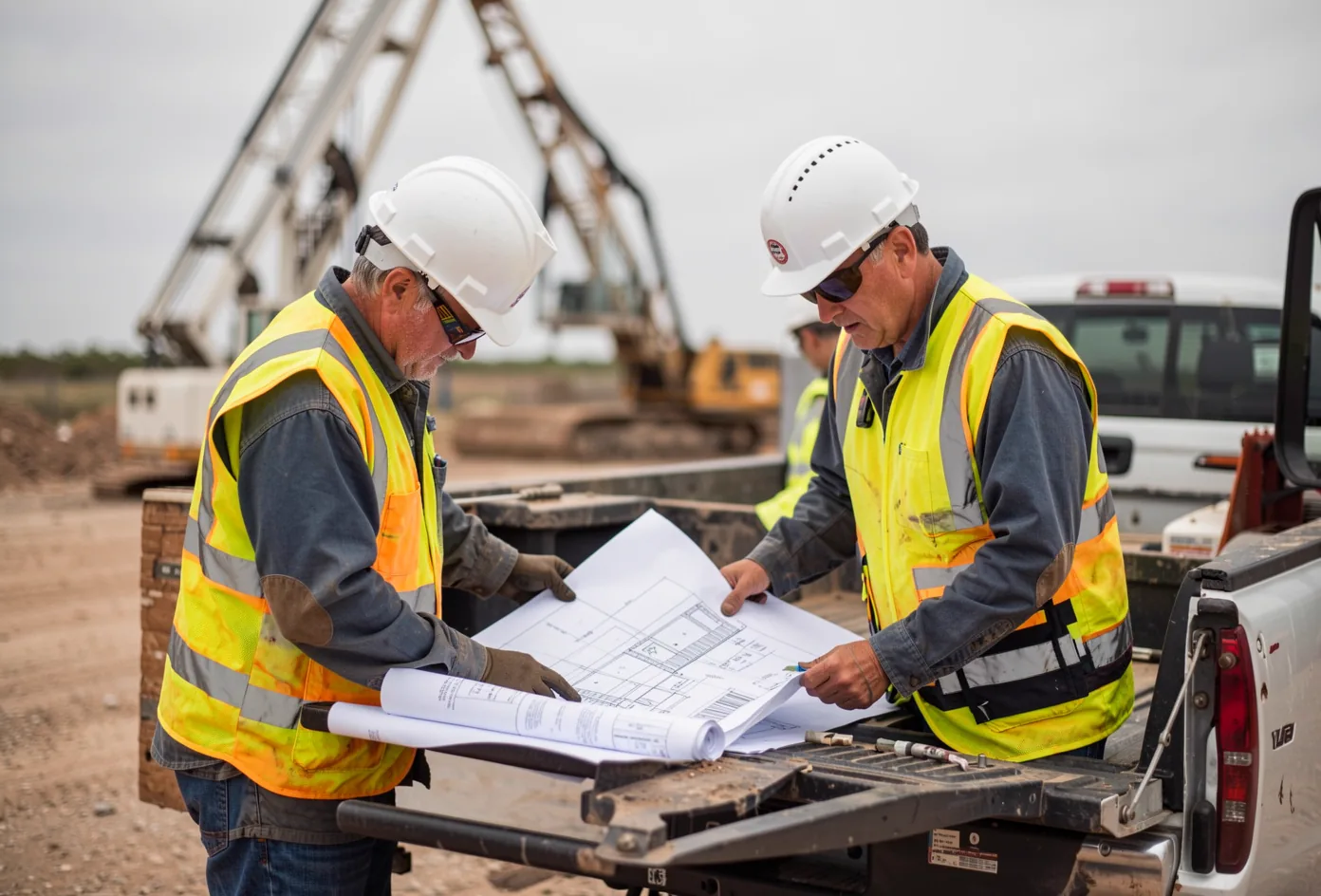
Kairos does not yet publish a site-wide safety metric (EMR, TRIR, or similar) on this website. Rather than post an invented or unverified number, we would rather tell you exactly what our safety program actually does on a jobsite, and provide current insurance certificates, incident history, and prequalification documents directly to a GC, owner, or safety manager who asks.
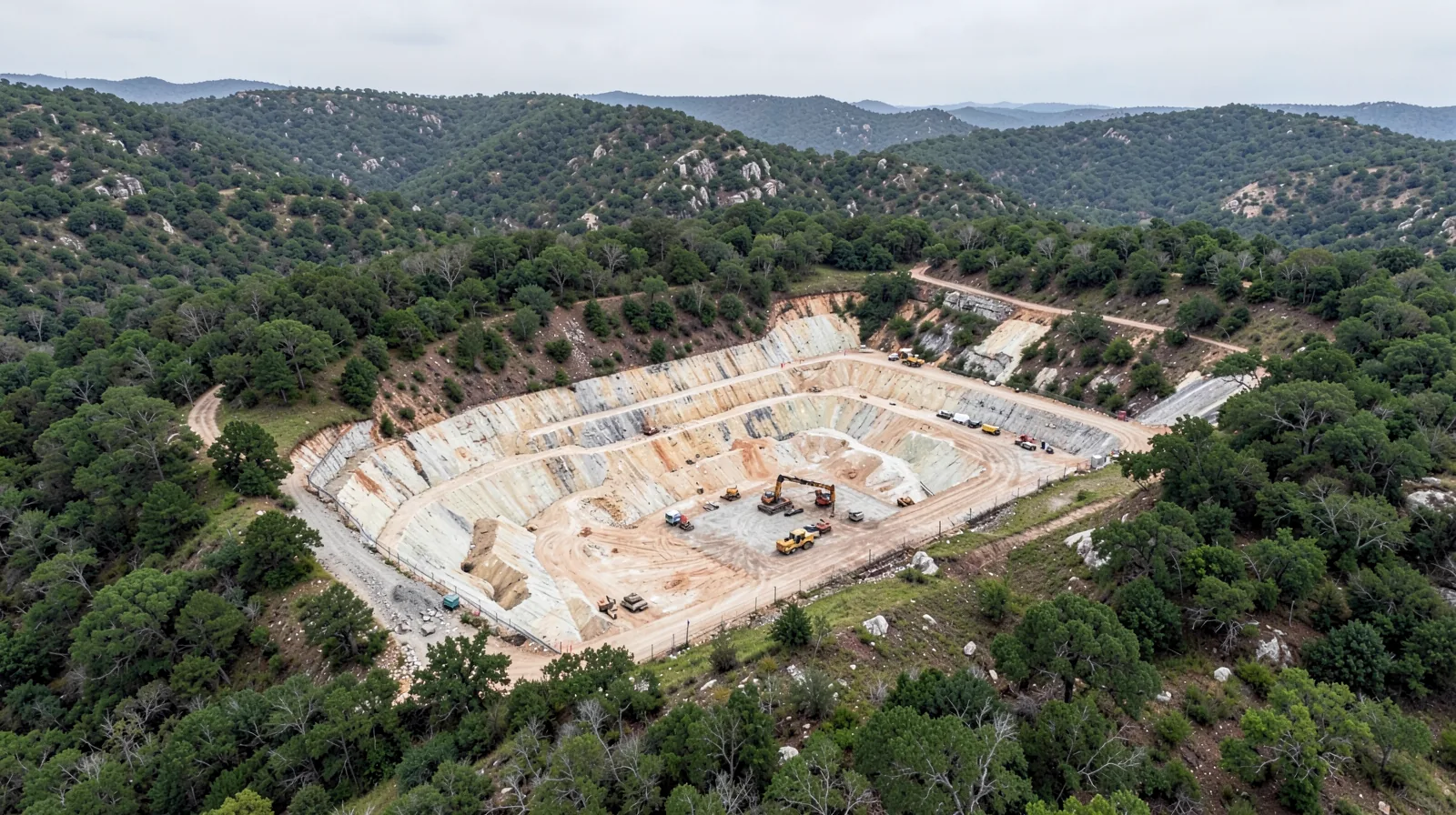
Site access gets planned before mobilization, not during it.
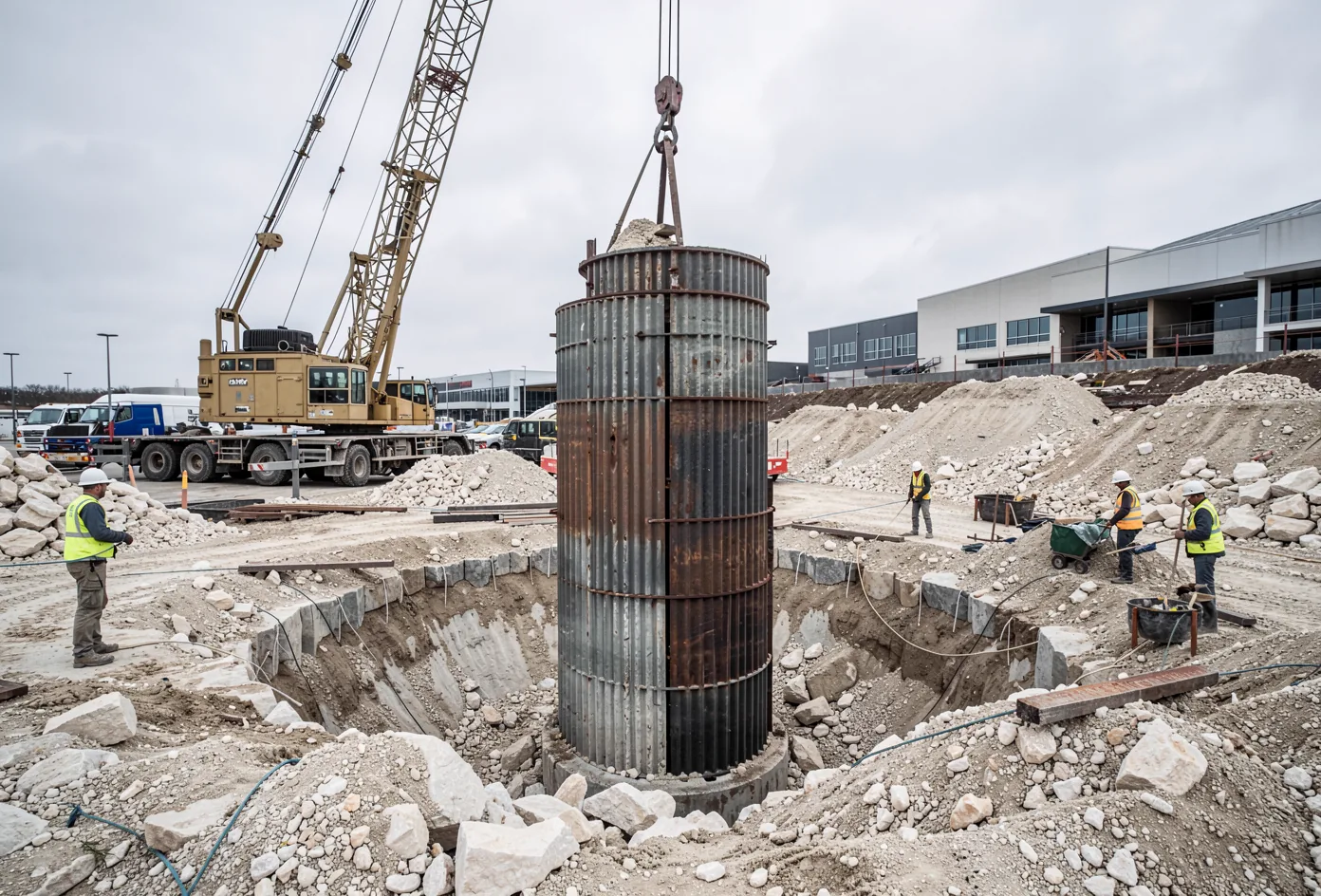
Hillside and cut-and-fill sites common in West Austin and the Hill Country need benched or terraced access before a rig can safely reach a pier location — an access and stability review that happens in preconstruction planning, not discovered by a crew on mobilization day.
What our field safety program actually covers.
Site-specific pre-task planning
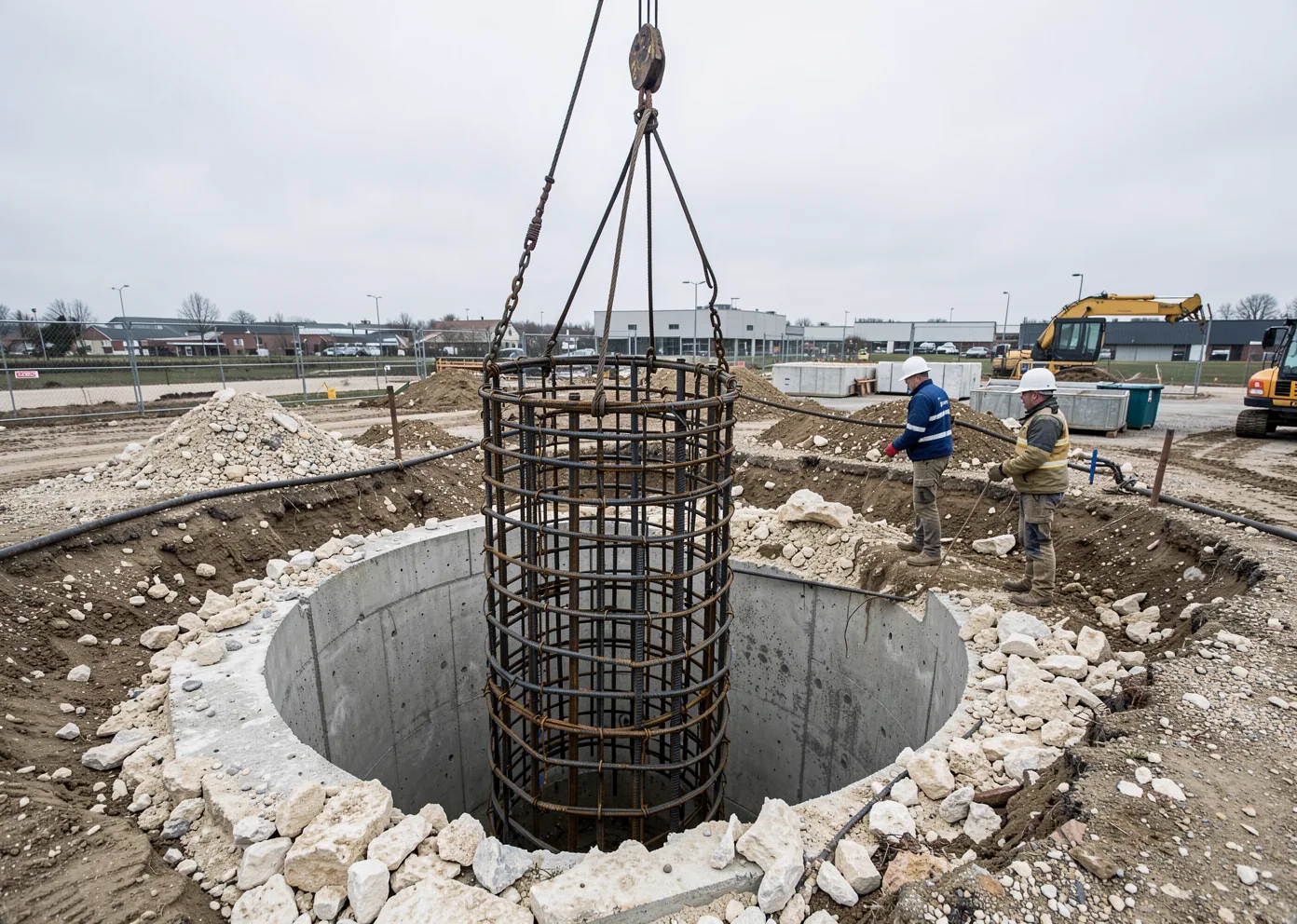
Before drilling starts, we review the geotechnical report, utility locates, adjacent-structure conditions, and site access for drilling-specific hazards, and document them in a pre-task plan crews review before mobilization.
PPE and equipment protocols
Standard PPE (hard hat, high-visibility clothing, eye and hearing protection, steel-toe footwear) is required on every active drilling and concrete site, with additional controls for rigging, crane, and confined-space-adjacent work as the task requires.
Spoils, slurry, and drainage management
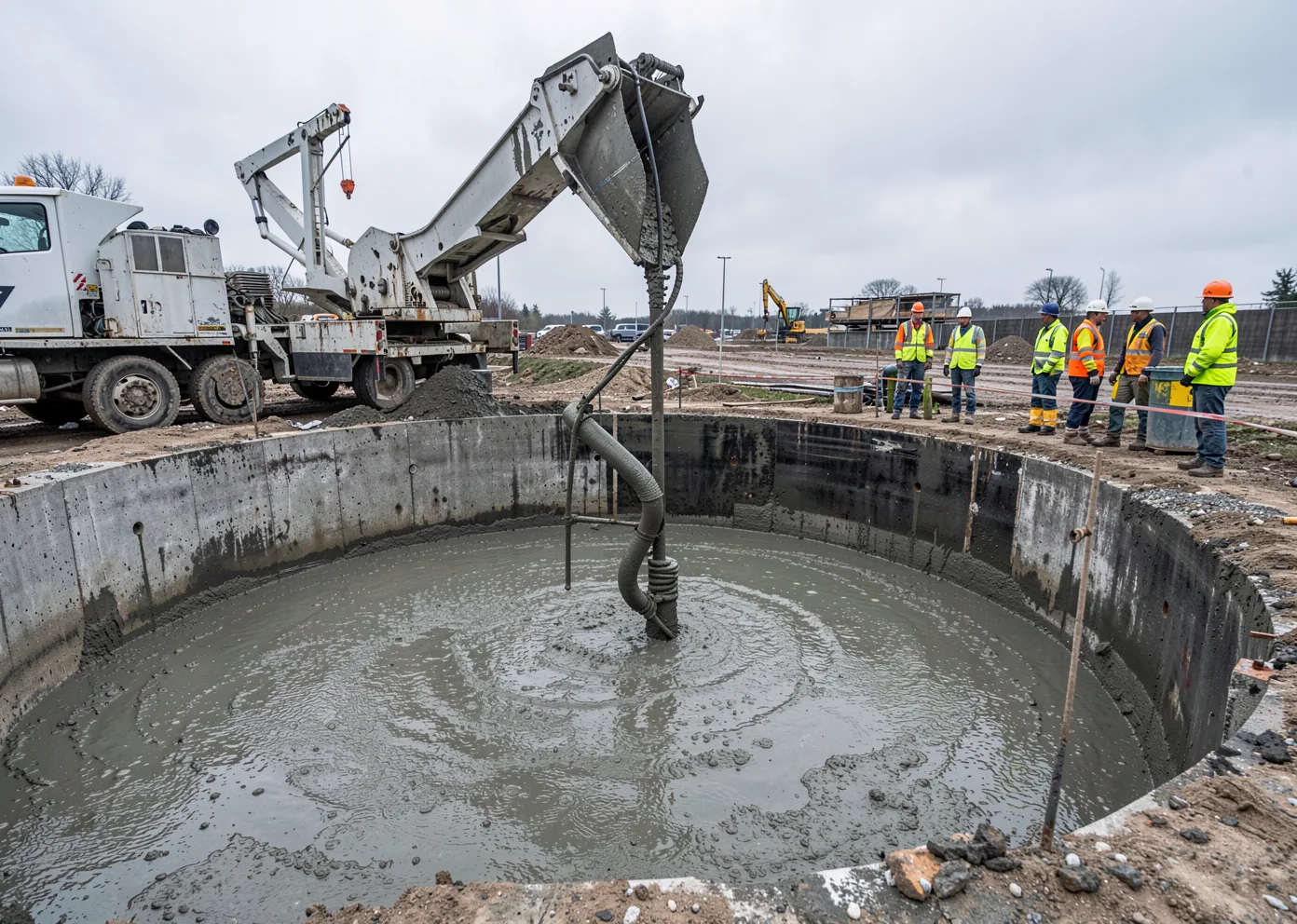
Drill spoils, slurry, and concrete washout are managed on site to control where they go — particularly relevant near karst features and drainage paths in the Edwards Aquifer Recharge Zone, where uncontrolled runoff is a genuine environmental and safety concern, not just a housekeeping issue.
One safety chain of command
On projects where Kairos crews and field-execution partner Ram Concrete both work, one site-specific safety plan governs both crews, so responsibility for a hazard on site is never ambiguous between two separate companies.
Workers’ compensation is not automatic in Texas.
Texas is the only state that allows most private employers to opt out of the workers’ compensation system entirely. An employer that opts out is a “non-subscriber” and must notify employees of that status. This is a genuine, verifiable difference between contractors — ask any contractor directly whether they carry workers’ comp, and ask to see a certificate of insurance rather than taking their word for it.
Texas Department of Insurance / Texas Workforce Commission guidance on the state’s voluntary workers’ compensation system. Confirm Kairos’s current coverage status directly through the Contact page before relying on it for a bid or prequalification submittal.
Safety questions, answered directly.
Does Kairos publish an EMR or TRIR safety rating?
Is workers’ compensation coverage required on a Kairos project?
Who handles safety on a jobsite where Kairos and Ram Concrete both have crews?
What safety planning happens before drilling starts?
Need our safety documentation for a prequalification?
Send the request through the Contact page and tell us which portal or format you need it in — certificates of insurance, incident history, and program documentation on request.