
What residential foundation and site work does Kairos coordinate?
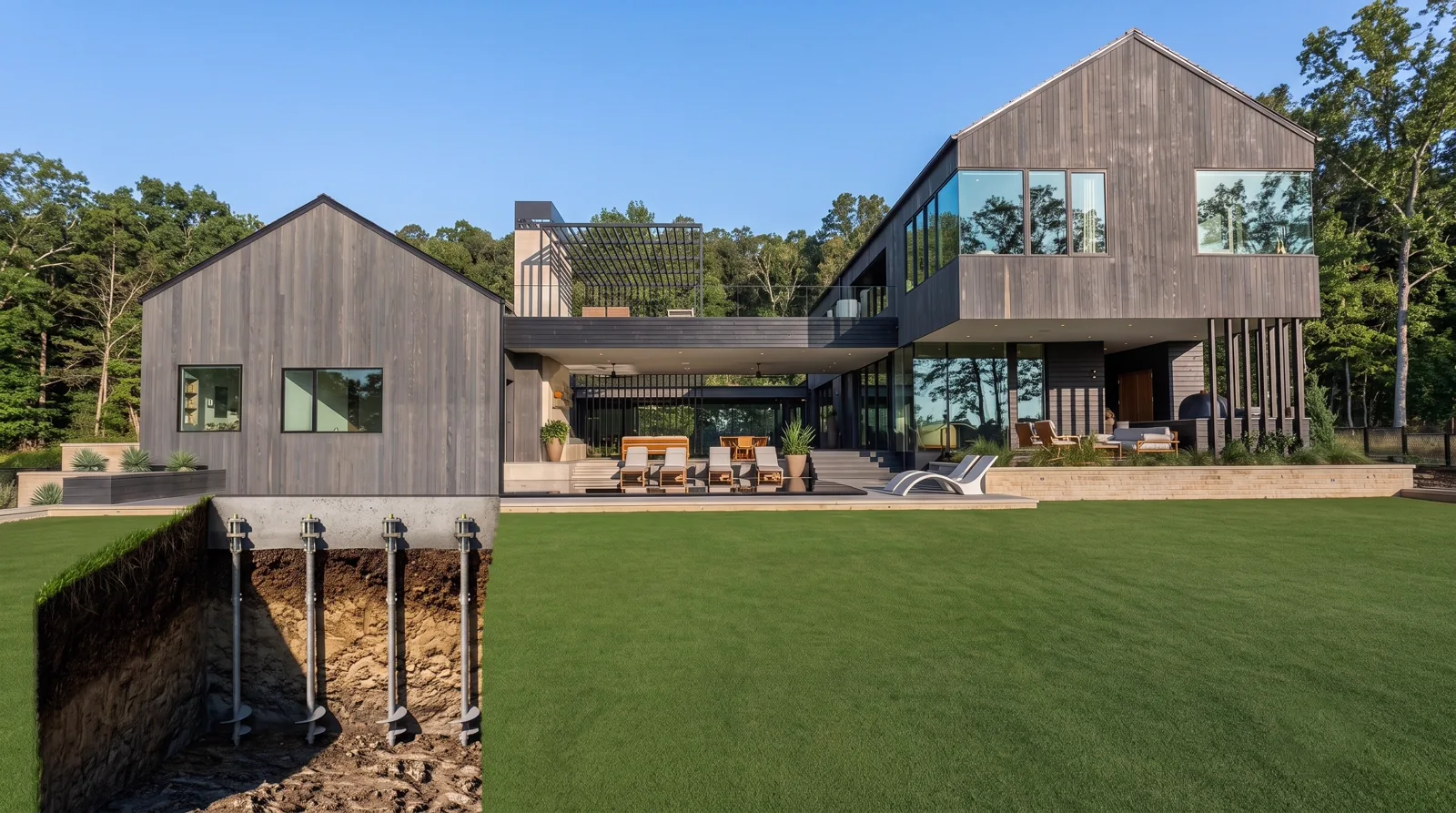
Helical pile installation
Kairos's lead method for residential lots. A compact excavator-mounted drive head installs helical piles with a smaller footprint than a large drilling rig — well suited to tight hillside driveways, mature trees, and finished landscaping close to the build.
Drilled piers and caissons
Where soil conditions or load call for it, we plan drilled pier and caisson foundations instead — carrying the home's weight past reactive surface soils into stable bearing strata.
Custom hillside & waterfront foundations
Lake Austin estates, Hill Country slopes, and other difficult lots get a foundation plan built around the actual grade, access, and soil report — not a standard pad foundation adapted after the fact.
Site evaluation before design is fixed
We evaluate the lot's soil, slope, and access constraints before your architect locks the foundation plan, so the design and the ground it sits on get decided together.
Foundation underpinning & retrofit stabilization
For an existing home with settling, cracking, or a foundation that's moved, we plan underpinning and retrofit stabilization scoped to the specific cause, not a blanket pier replacement.
Slope & retaining wall stabilization
Cut-and-fill hillside lots and retaining structures get evaluated and stabilized as part of the same foundation plan, not treated as a separate problem after the home is built.
Ongoing foundation monitoring & maintenance
After the work is complete, we can coordinate periodic monitoring so movement gets caught and addressed early, before it becomes a structural issue.
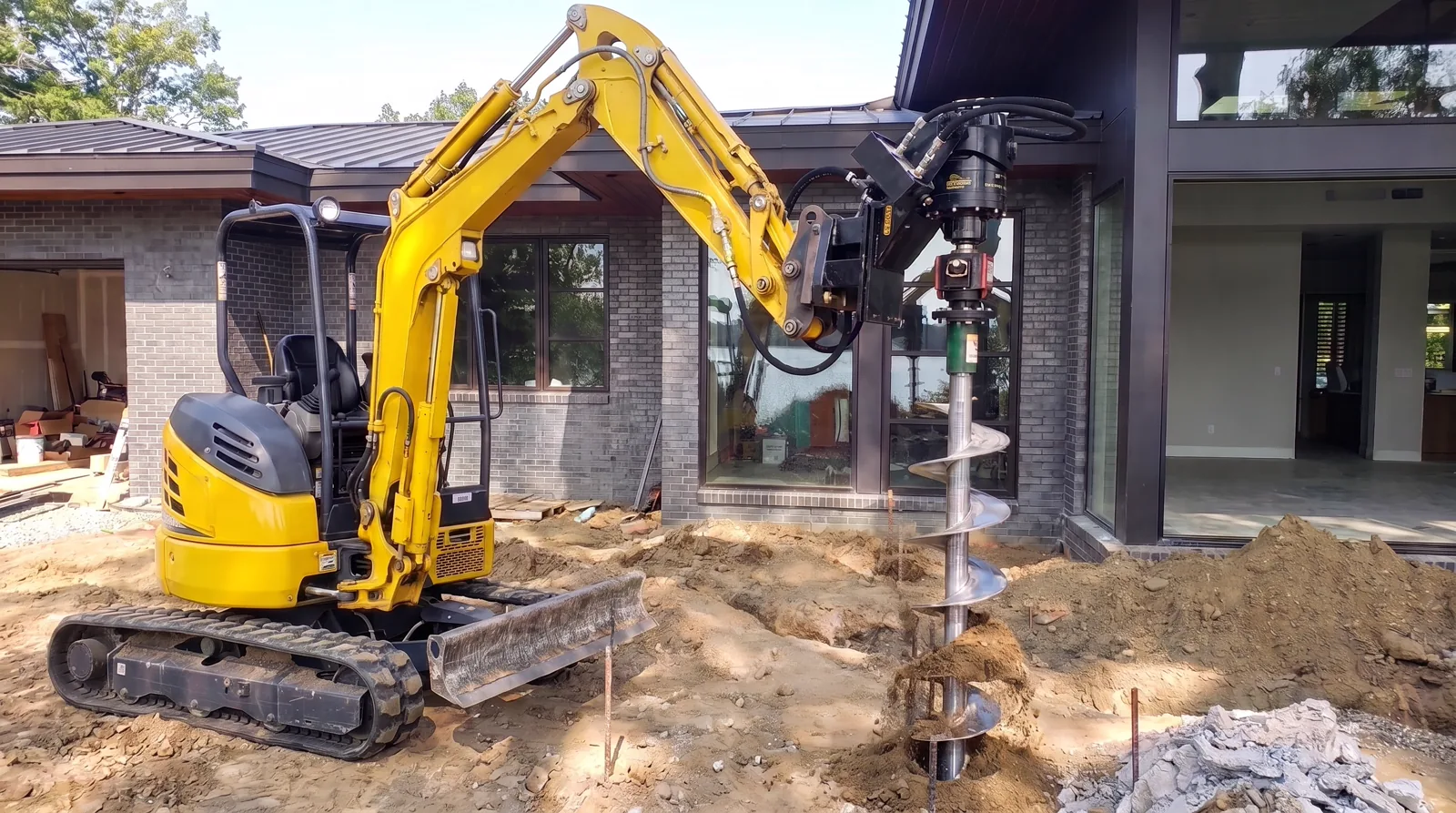
A compact rig, not a drilling tower.
Helical piles go in with a mini excavator fitted with an auger-style drive head — not the large drilling rigs used on commercial sites. On a residential lot that means less staging space, less disruption to landscaping and hardscape, and access through a standard driveway or side yard that a full-size drilling rig can't use.
What's actually under your lot, and why it matters.
Most residential foundation problems in this region trace back to one of three ground conditions. A site evaluation is how we find out which one applies to your lot before the foundation plan is set — not after.
- Expansive clay — Central Texas clay swells when wet and shrinks when dry, and that seasonal movement is the most common cause of residential foundation cracking and heaving in the Austin area. A shallow slab or spread footing sits directly on soil that can look stable when it's dry and move significantly once it isn't.
- Cut-and-fill hillside lots — grading a slope for a home means cutting soil away on one side and filling it in on the other. The fill side hasn't been compacted or engineered the way undisturbed native soil has, so a foundation spanning both sides of a cut-and-fill line needs piles or piers deep enough to reach consistent bearing on either side.
- Karst-influenced rock near the Balcones Escarpment — West Austin, the Hill Country, and the escarpment corridor sit over limestone that can carry voids, fractures, and rock depth that varies across a single lot. A boring or two isn't always enough to know what a pile or pier will actually hit, which is part of why evaluation happens before the foundation plan, not after.
One point of contact, from evaluation through delivery.
Kairos plans and coordinates your residential foundation work. We don't own drilling equipment or field crews — we evaluate your site, build the foundation plan, and connect you with the right specialist from a network of 400+ vetted specialty contractors across Central Texas, backed by 20+ years of combined foundation and construction experience. You deal with one team throughout, from the first site visit to the final delivered foundation.
- Site evaluation and foundation plan before you commit to a method
- Matched to the right specialty contractor for your specific ground conditions, not a default crew
- One point of contact for scheduling, questions, and coordination through final delivery
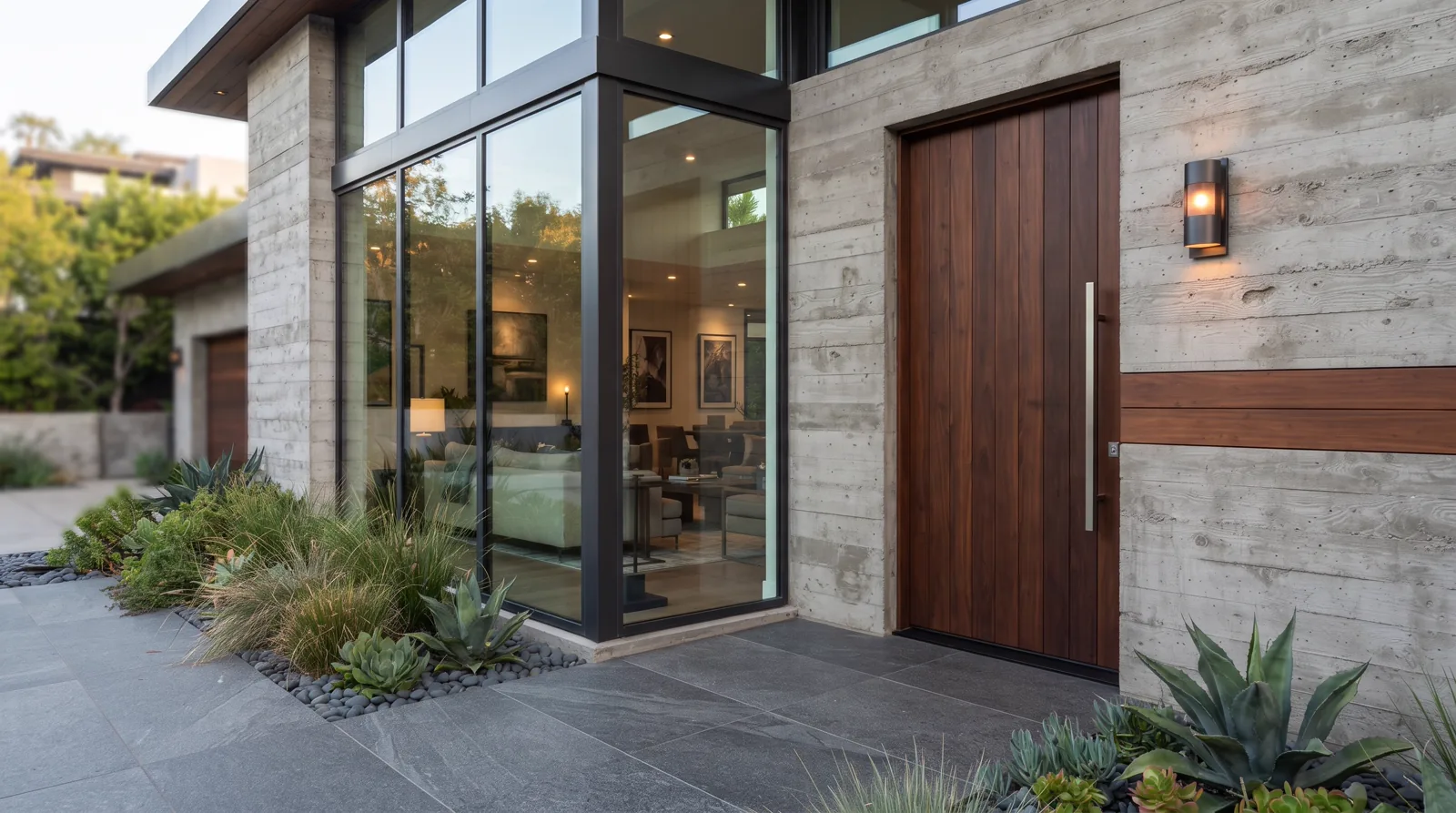
A foundation the rest of the home can rely on.
Finish work, hardscape, and landscaping all depend on what's underneath them staying put. Planning the foundation around your lot's actual soil and grade — instead of a standard spec adjusted after the fact — is what keeps the rest of the project from having to compensate for it later.
Residential foundations, answered directly.
What is helical pile installation, and why does Kairos use it as the lead method for residential foundations?
How do you evaluate a hillside or waterfront lot before the foundation design is finalized?
My existing home has foundation cracks or has started settling. Can Kairos help, or only new construction?
What does “expansive clay” actually mean for my foundation, and how does that change the approach?
If Kairos doesn't own the drilling equipment, who actually performs the work?
Do you work on Lake Austin, West Lake Hills, and other specific Hill Country communities, or just “Austin” generally?
Have a hillside, waterfront, or difficult lot?
Send us your site details, plans, or a survey and we'll evaluate what your ground actually needs before the foundation plan is set.