
Why does Round Rock need deeper piers than a flat-clay rule of thumb assumes?
Round Rock sits on Taylor and Houston Black soil series — high-plasticity, moisture-reactive clays that swell and shrink more aggressively through the seasonal wet-dry cycle than the clay found in much of the rest of the metro. That moisture-driven movement, not building load, is usually what governs pier depth here. A depth that’s adequate in a lower-plasticity area can leave a Round Rock structure exposed to differential movement if it’s applied without checking the site’s actual plasticity index and moisture data.
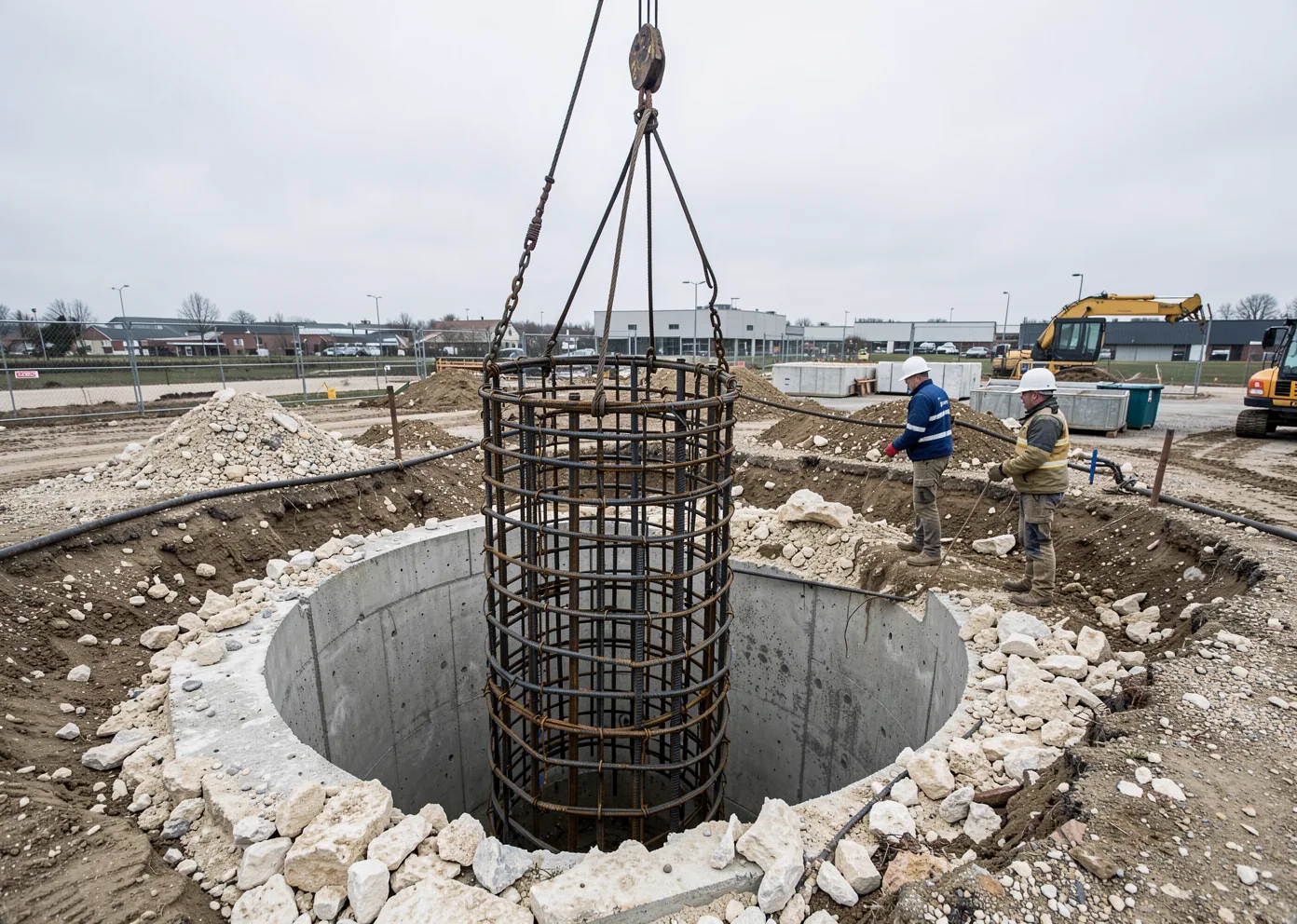
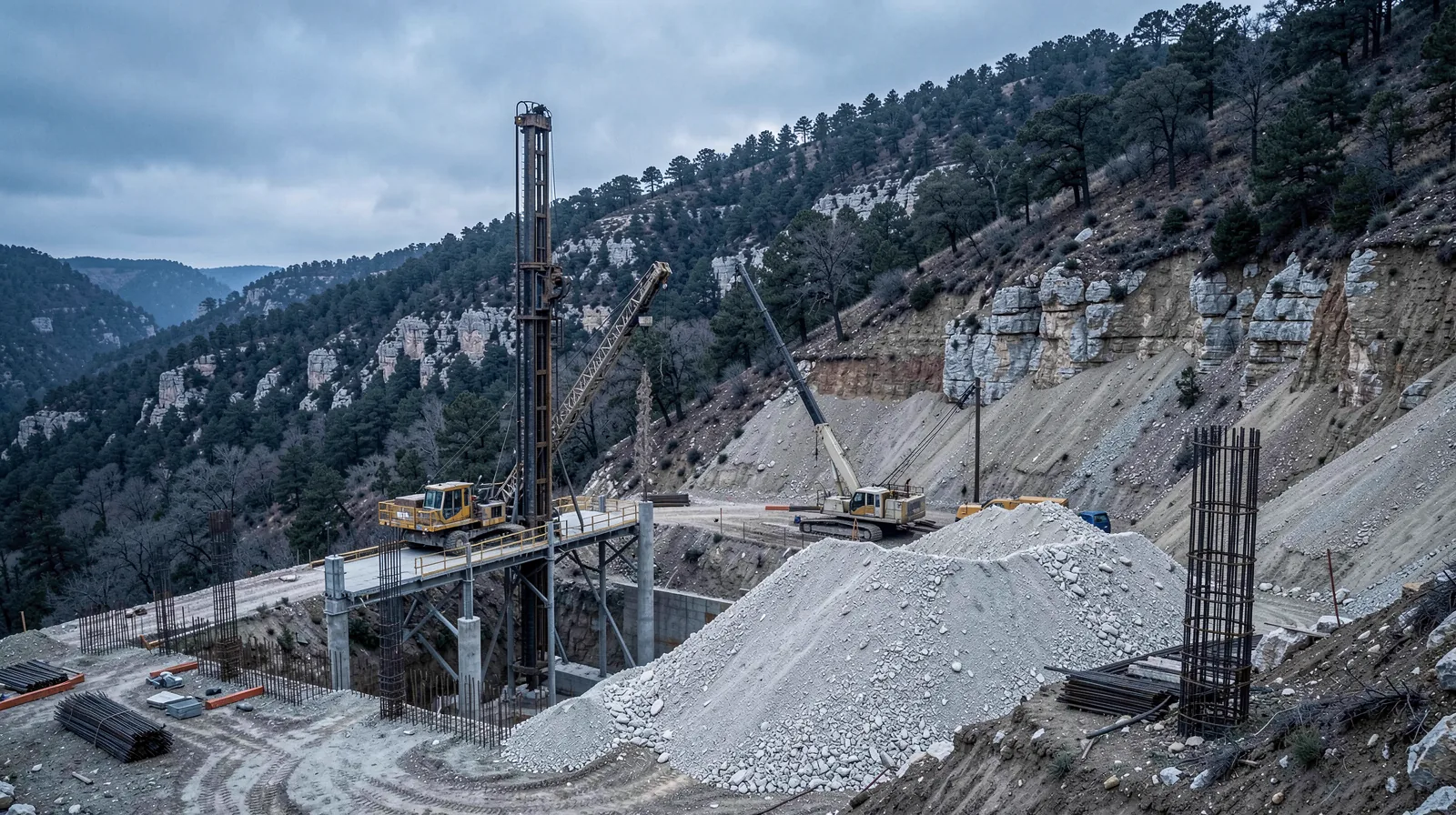
Every cage is checked before the pour.
On expansive-clay sites like Round Rock, rebar cage placement and shaft depth are verified against the pier schedule before concrete is placed — the check that protects against an under-depth pier in swelling soil.
Moisture cycling, not bearing capacity, is the design driver.
Where many soils are limited primarily by bearing capacity, Round Rock’s high-plasticity clay is typically limited by moisture-driven volume change. Pier depth has to reach below the zone of seasonal moisture influence, and slab and grade beam detailing has to isolate the structure from clay movement at the surface — get either wrong and the failure mode is differential heave and cracking, not overload.
- Plasticity index and moisture data set the required pier depth more than structural load
- Slab-on-grade construction needs positive isolation from the active clay zone
- I-35 corridor development includes both greenfield and infill parcels with different fill histories
- Grade beam and void-form detailing at the slab edge is a common point of failure if skipped
Round Rock’s rapid growth means fill history varies parcel to parcel.
Round Rock’s active commercial and light-industrial development along the I-35 corridor means some parcels carry engineered fill from recent site development, while others sit on native shrink-swell clay. We check the site’s actual fill and moisture data rather than assuming one condition across the market.
Early involvement during design development lets us flag pier schedule or soil-data gaps before the bid set is frozen. Ram Concrete coordinates pumping and placement with our field crews so the deep foundation and structural concrete stay on one schedule.
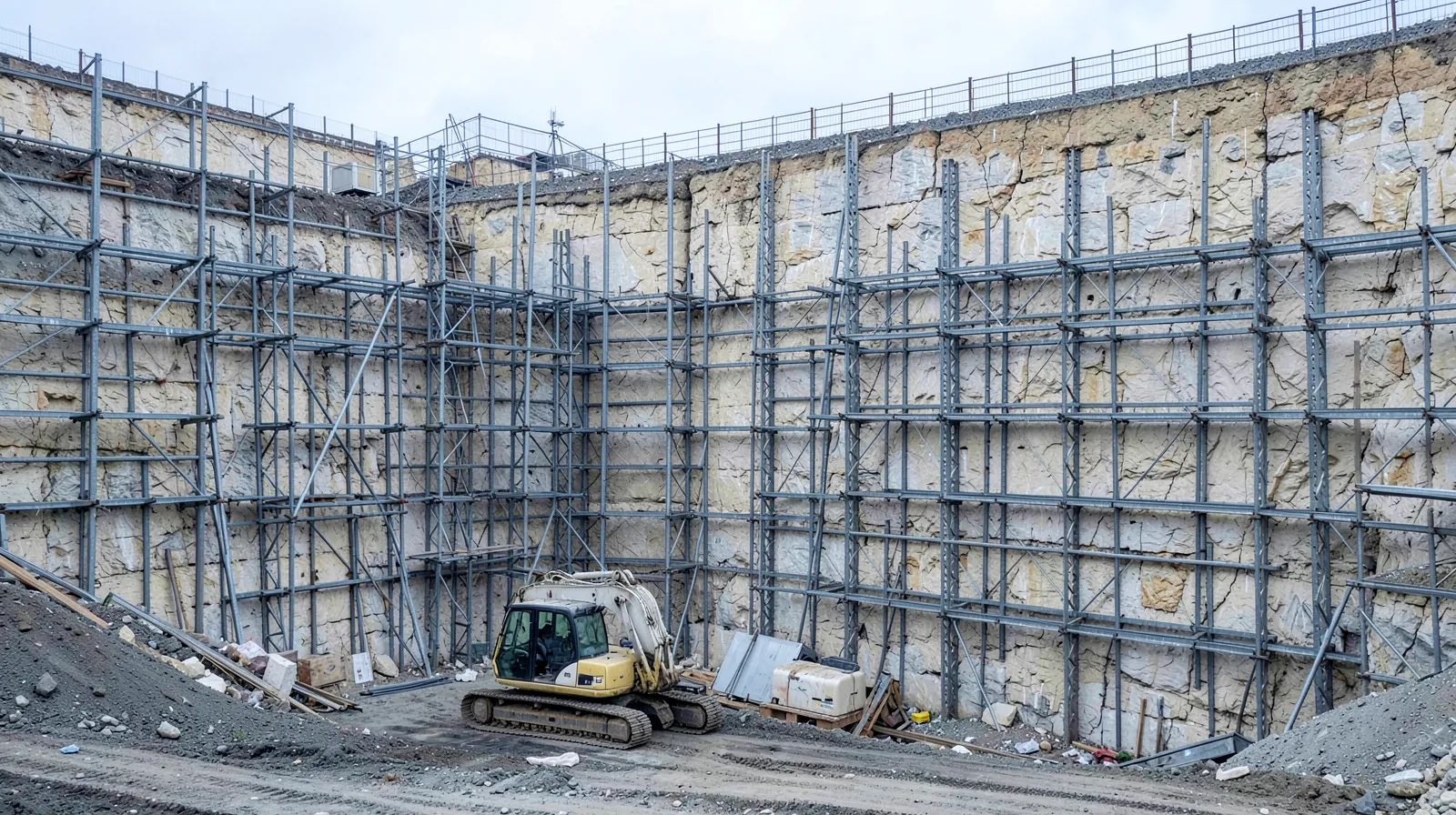
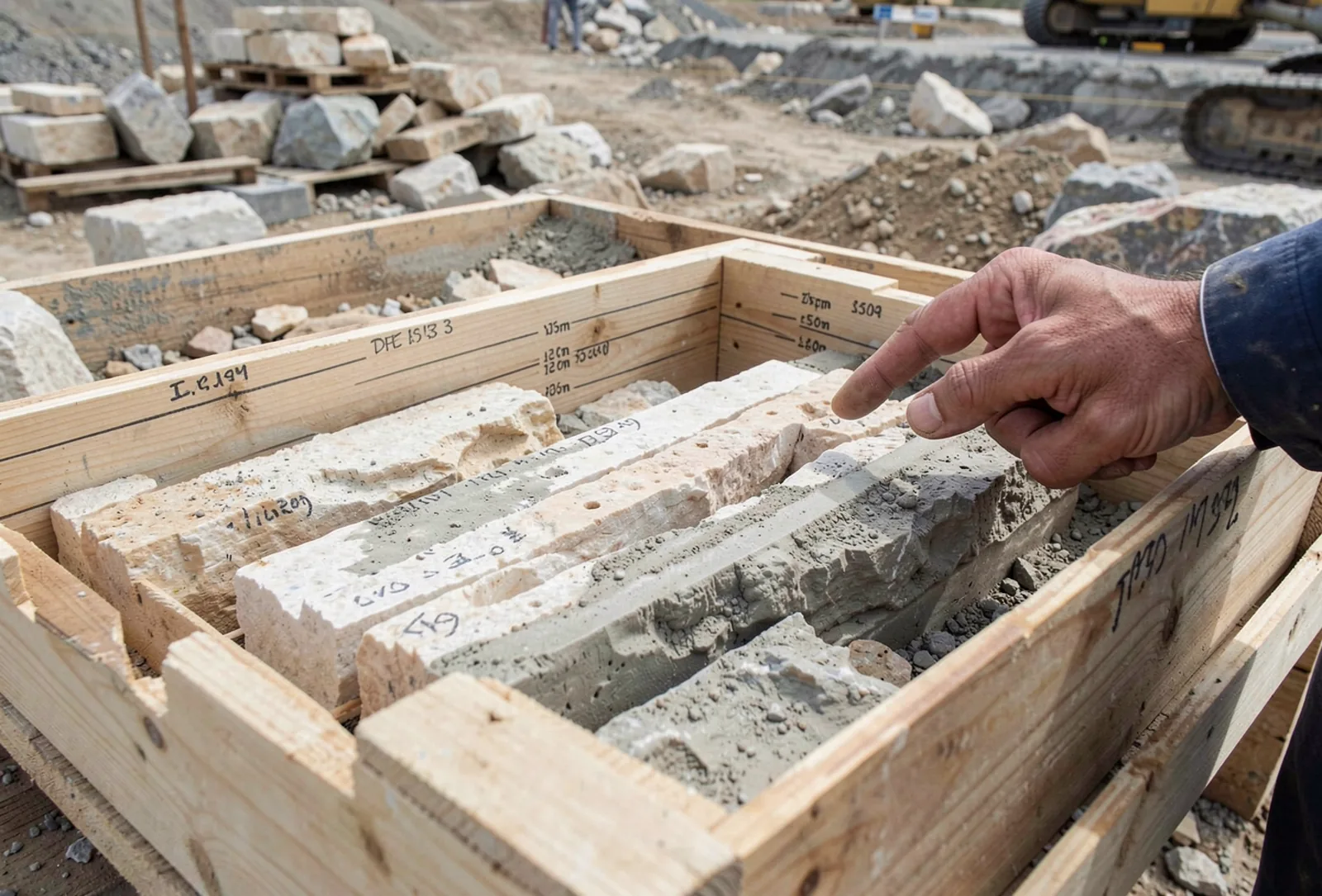
Round Rock foundation questions, answered directly.
What deep foundation system works best for Round Rock’s soil conditions?
Why does Round Rock clay require deeper piers than other parts of the metro?
Does fill soil affect foundation design in Round Rock?
How fast can Kairos respond to a Round Rock bid invitation?
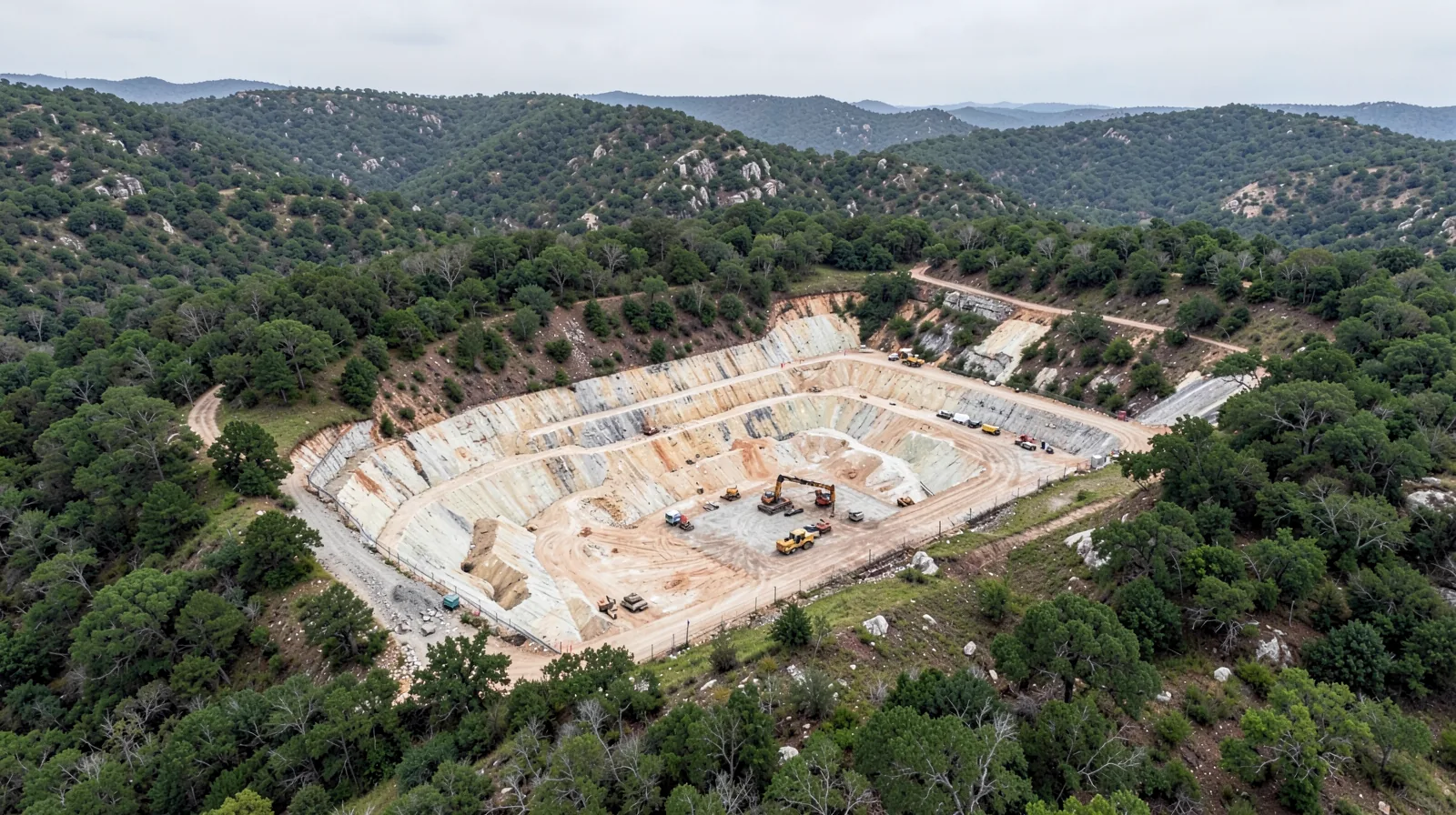
Have a Round Rock project with a bid due date?
Submit your invitation and geotech report for review — we size the system to your site’s actual clay data.