
Does my Kyle commercial project need drilled pier foundations?
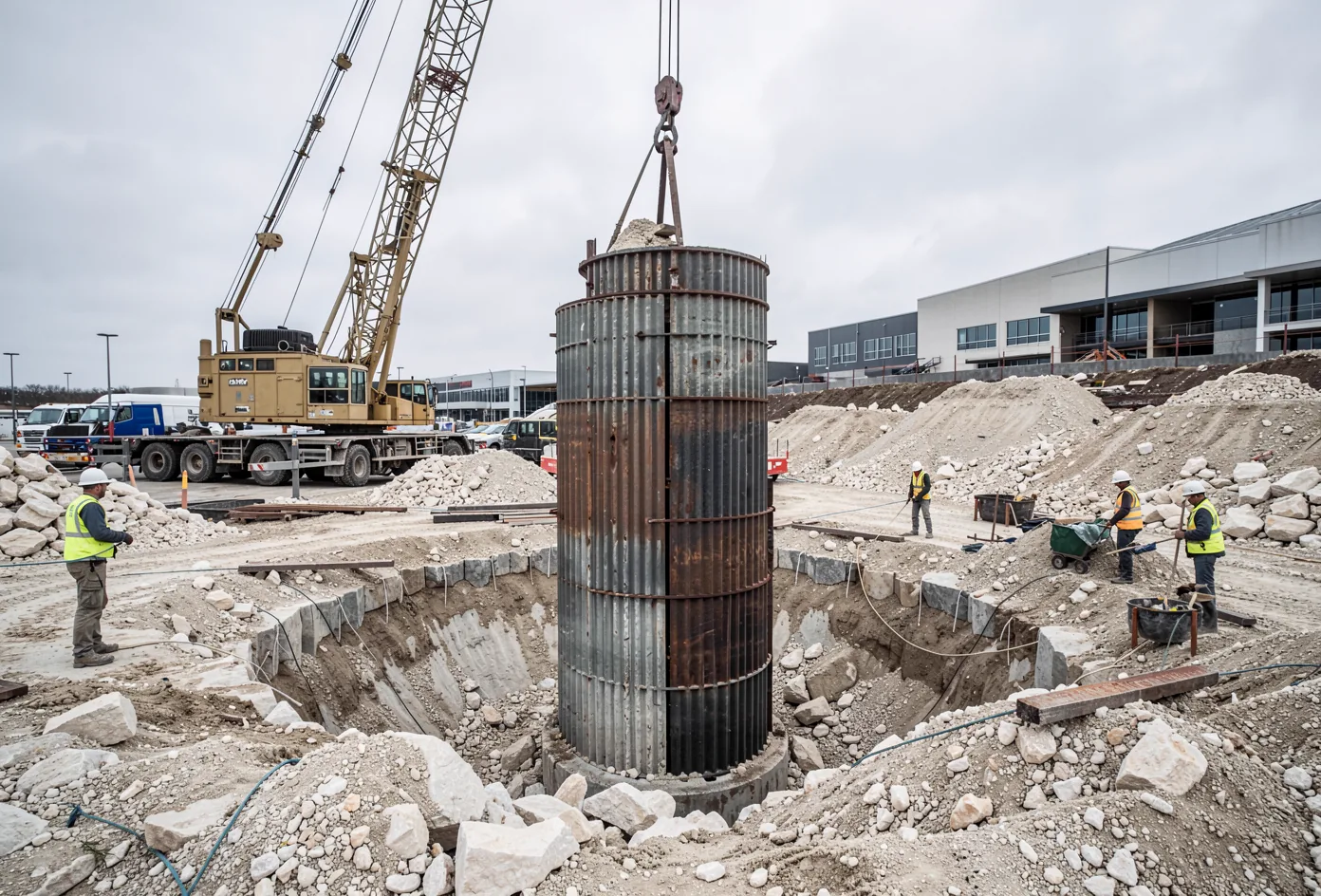
Most commercial buildings in Kyle need drilled pier foundations because the city sits on Blackland Prairie clay — an industry summary of the region names Kyle specifically, alongside Buda, Round Rock, Cedar Park, and Pflugerville, as communities sitting squarely on this expansive clay belt. In high-plasticity clay, seasonal moisture swings generate uplift pressure that a shallow spread footing isn’t built to resist, so drilled piers extending below the active, moisture-reactive zone are the standard response. The exact depth still depends on your site’s own geotechnical report and plasticity index — Kyle’s general clay condition tells you what kind of foundation problem you likely have, not the specific number.
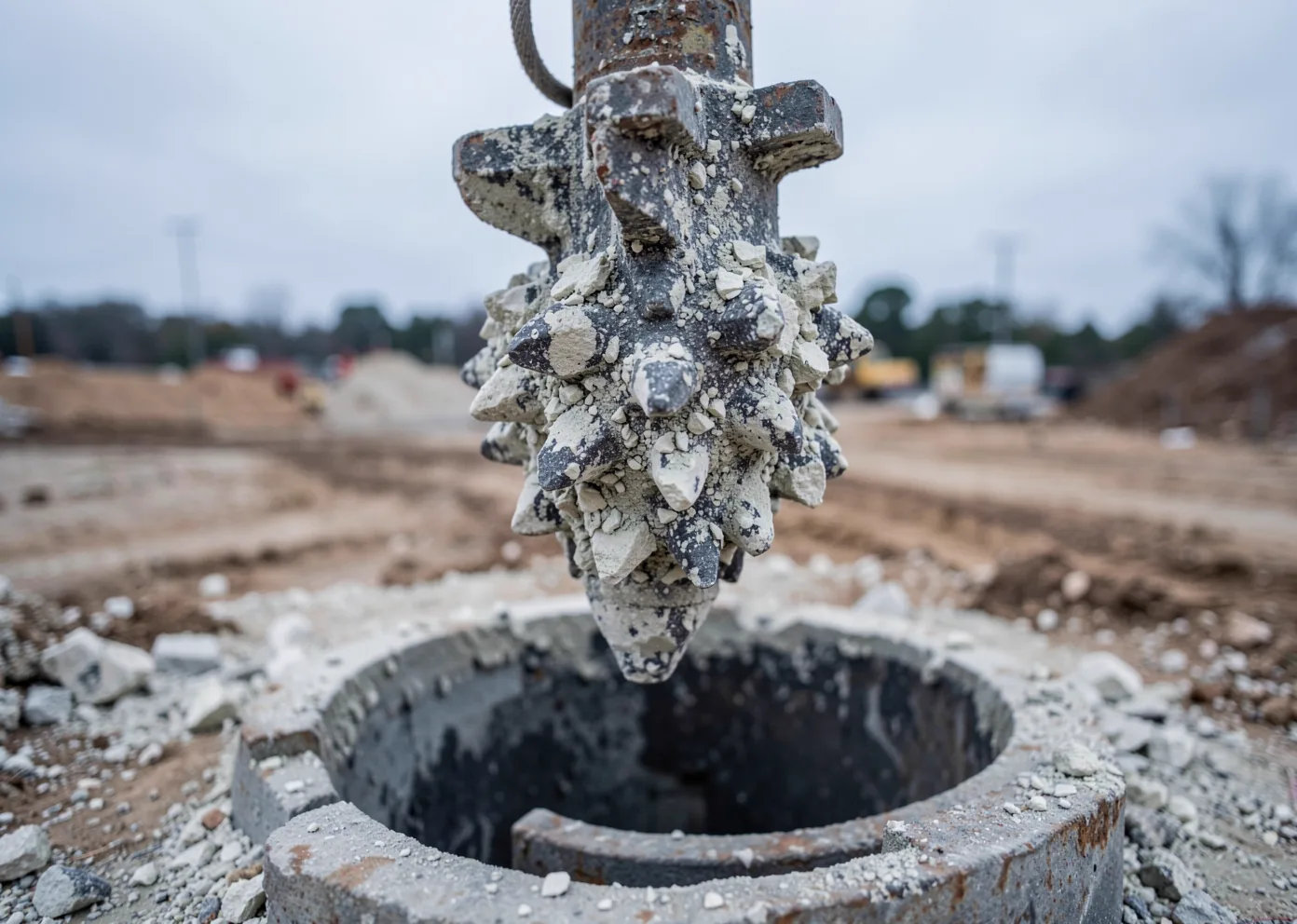
A rapid-growth corridor doesn’t change what the clay does.
Kyle’s growth along I-35 means a steady pipeline of new commercial and public-facing construction — but the ground condition under all of it is the same Blackland clay driving pier depth across Hays County. We size every schedule to the site’s boring data, not the pace of development around it.
Blackland clay, growth-driven scheduling.
The Blackland Prairie clay belt — Houston Black and Branyon-family soils — runs through Hays County and is specifically named by an industry summary of the region as underlying Kyle. That means most Kyle commercial sites are working with the same active-zone-depth design problem seen across Round Rock, Cedar Park, and Pflugerville: pier depth set by how far down seasonal moisture movement reaches, not primarily by building load. Kyle’s rapid growth adds a second, non-geologic factor — scheduling pressure and permit-review volume in a fast-growing jurisdiction, which makes an accurate, complete bid package (plans, structural drawings, and the geotech report) more valuable, not less, for holding a schedule.
- City named specifically as Blackland clay territory in regional industry sources
- Pier depth typically driven by active-zone depth, not building load
- Fast-growing permit volume rewards a complete, accurate bid package
- Site-specific geotech report still required — general clay condition is not a substitute
What’s confirmed about Kyle’s permitting, and what isn’t?
The City of Kyle Building Department administers permits directly. One industry source states Kyle has adopted the 2015 IBC with local amendments described as reflecting the region’s clay soil conditions — that is a secondary, industry-reported claim, not something we’ve verified against a primary Kyle ordinance, and the specific amendment language hasn’t been independently confirmed either. Directionally, local amendments addressing clay soil conditions would be consistent with the Blackland clay geology across Hays County — but we’d confirm the current adopted edition directly with Kyle’s Building Department before treating it as settled, and recommend any GC or developer do the same before finalizing a permit strategy.
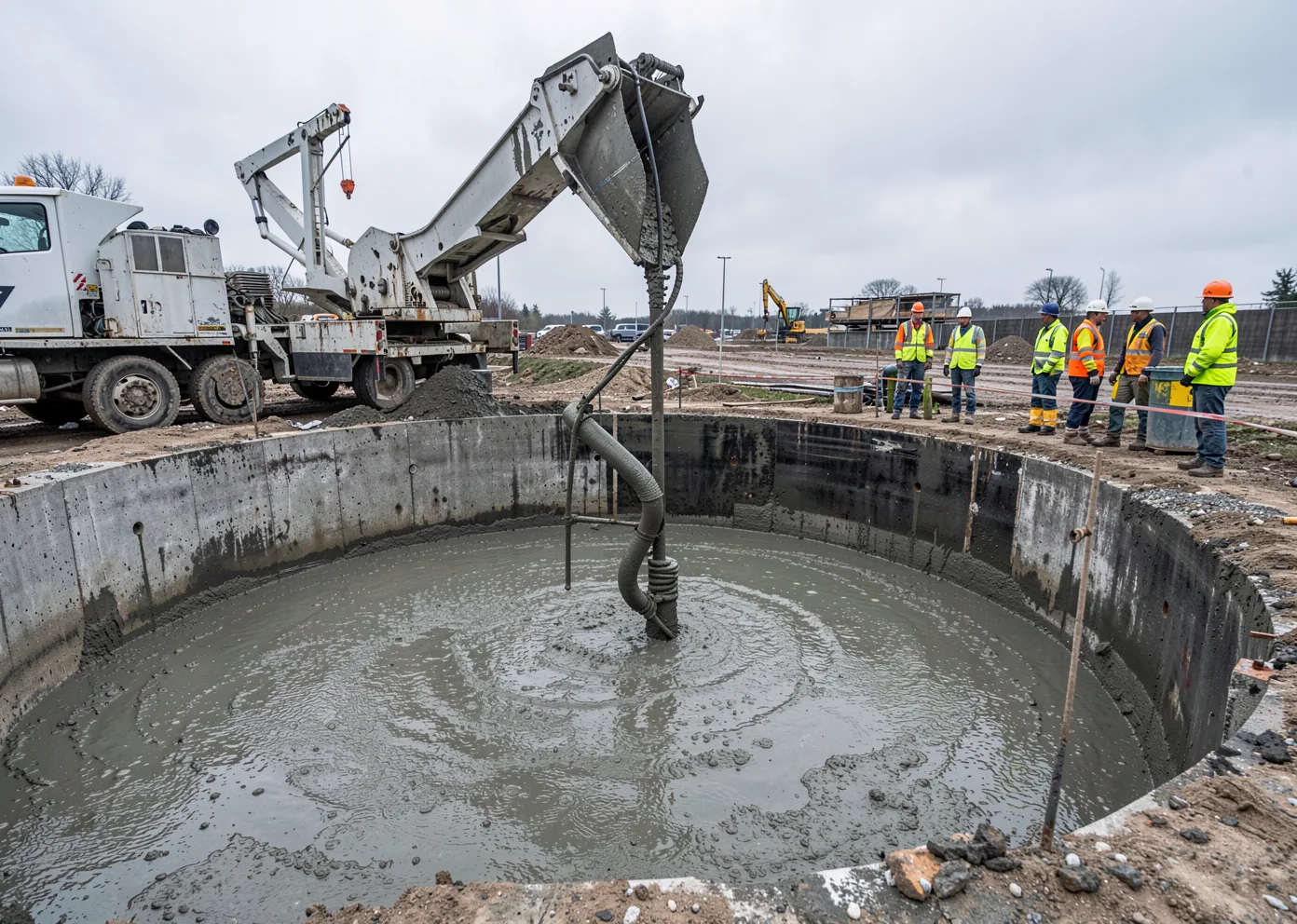
We review the geotech report before pricing, hold every stated bid due date, and flag any permitting or code-edition assumptions explicitly rather than presenting an unverified detail as settled fact. Field execution — pumping, placement, finishing — runs in coordination with Ram Concrete.
Kyle foundation questions, answered directly.
Is Kyle’s soil the same as Round Rock or Buda?
What building code has Kyle adopted?
Does Kyle’s fast growth change how a foundation should be priced?
What should I send for a Kyle drilled pier bid?
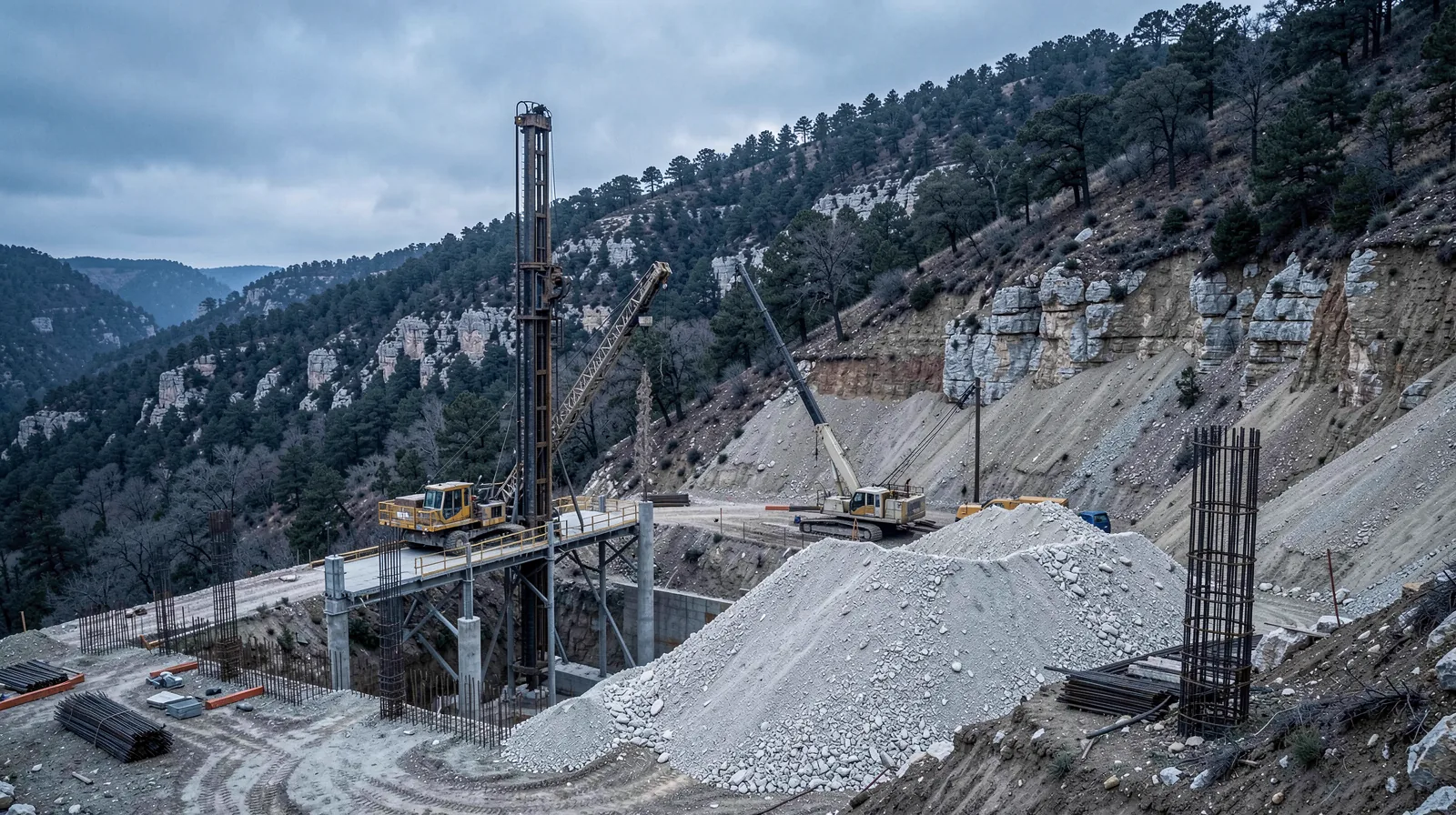
Have a Kyle project going out for bid?
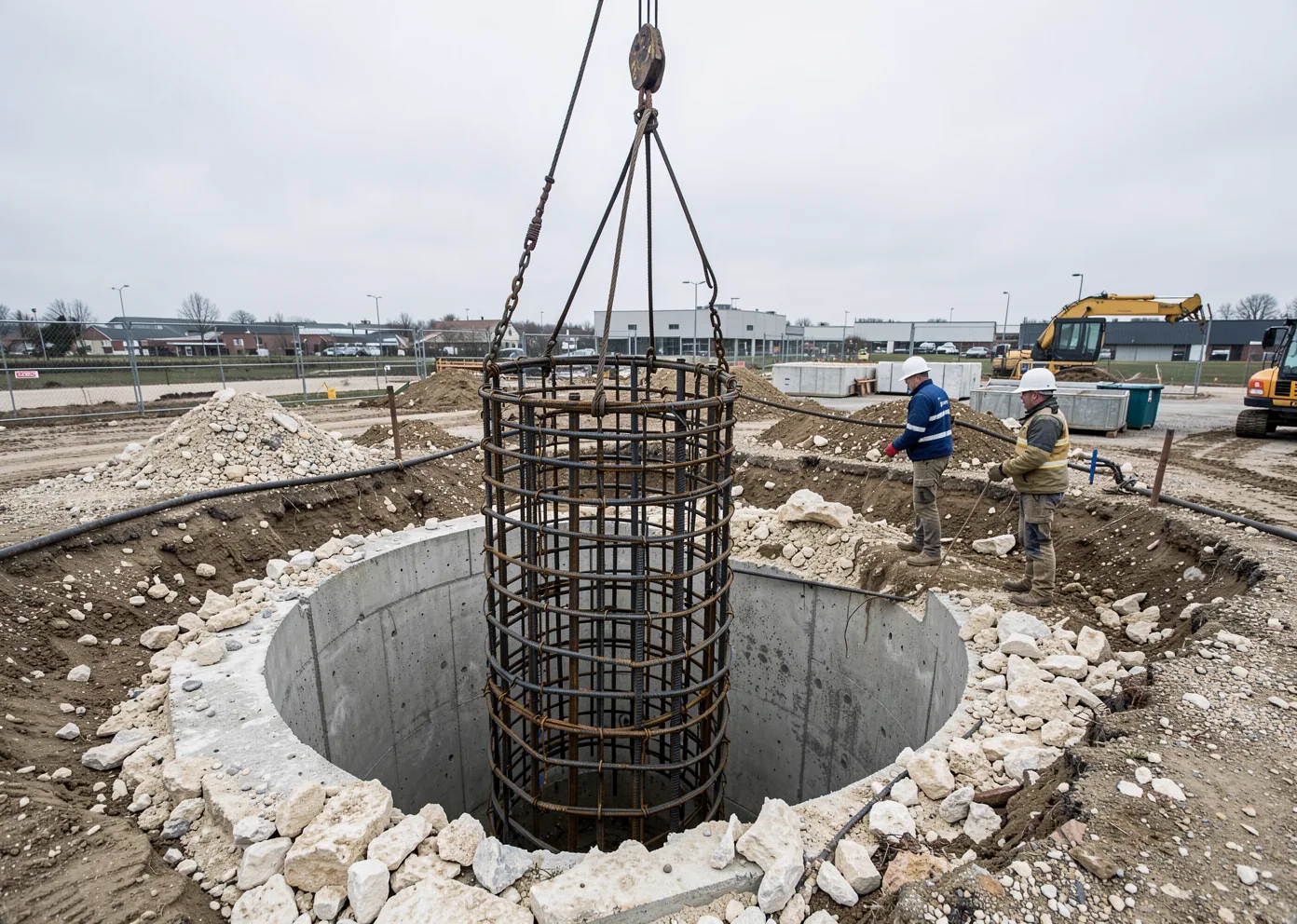
Send your geotech report and structural drawings — we’ll tell you what a pier schedule for your specific site actually looks like.