
Does my Austin commercial project need drilled pier foundations?
Most mid-rise and larger commercial buildings in the Austin area need drilled pier foundations, because Austin sits on expansive clay soils that swell and shrink significantly with seasonal moisture changes — a condition shallow spread footings are not built to resist. If your geotechnical report shows a moderate-to-high plasticity index, a shallow foundation carries real risk of differential movement and long-term settlement. Drilled piers extend past the active, moisture-reactive soil zone into stable bearing strata. The right call still depends on your specific geotech report, structure type, and loading — which is why we review the actual boring data before recommending a system, not a citywide default.
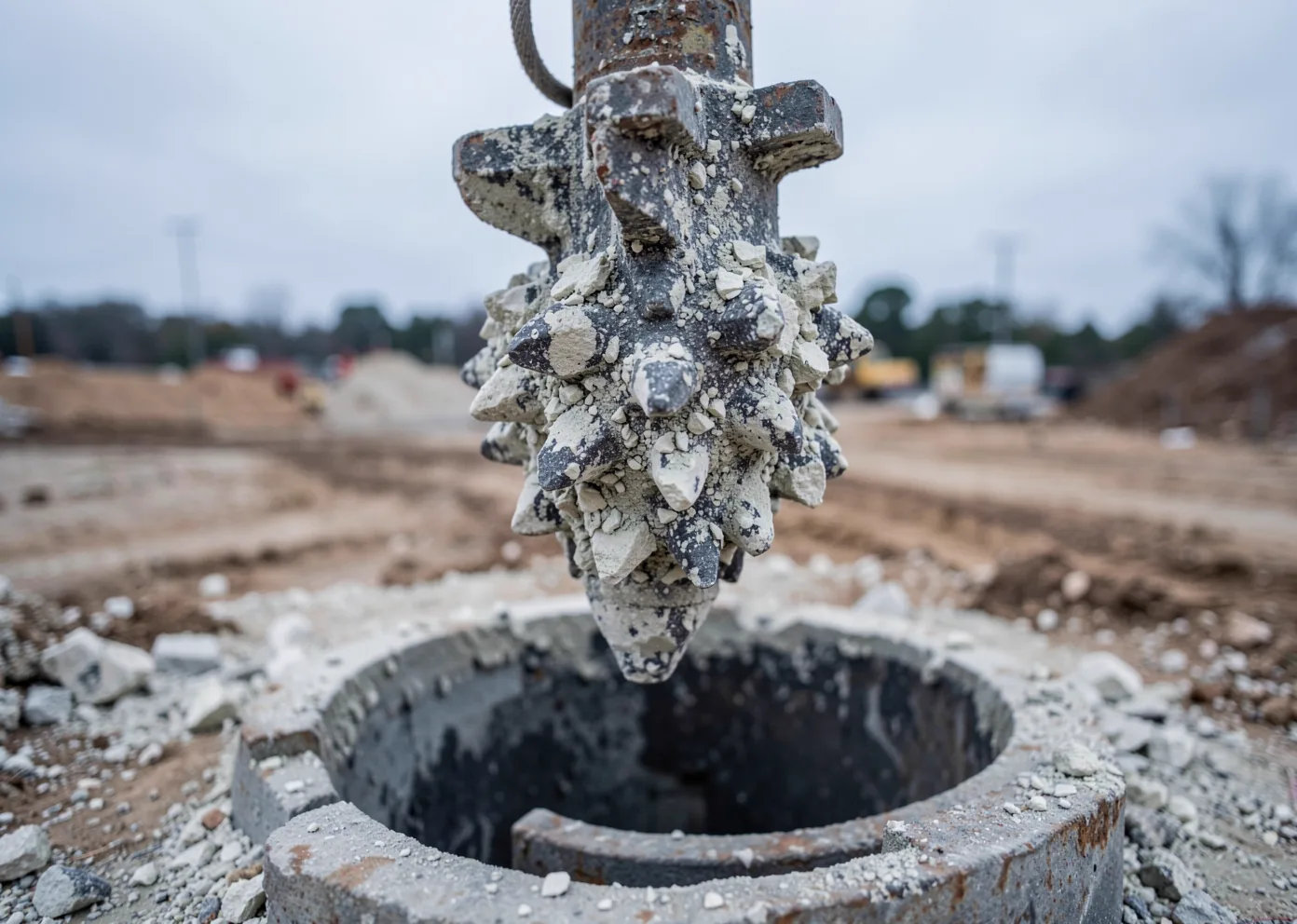
Rock cuttings tell the story the borings have not yet told.
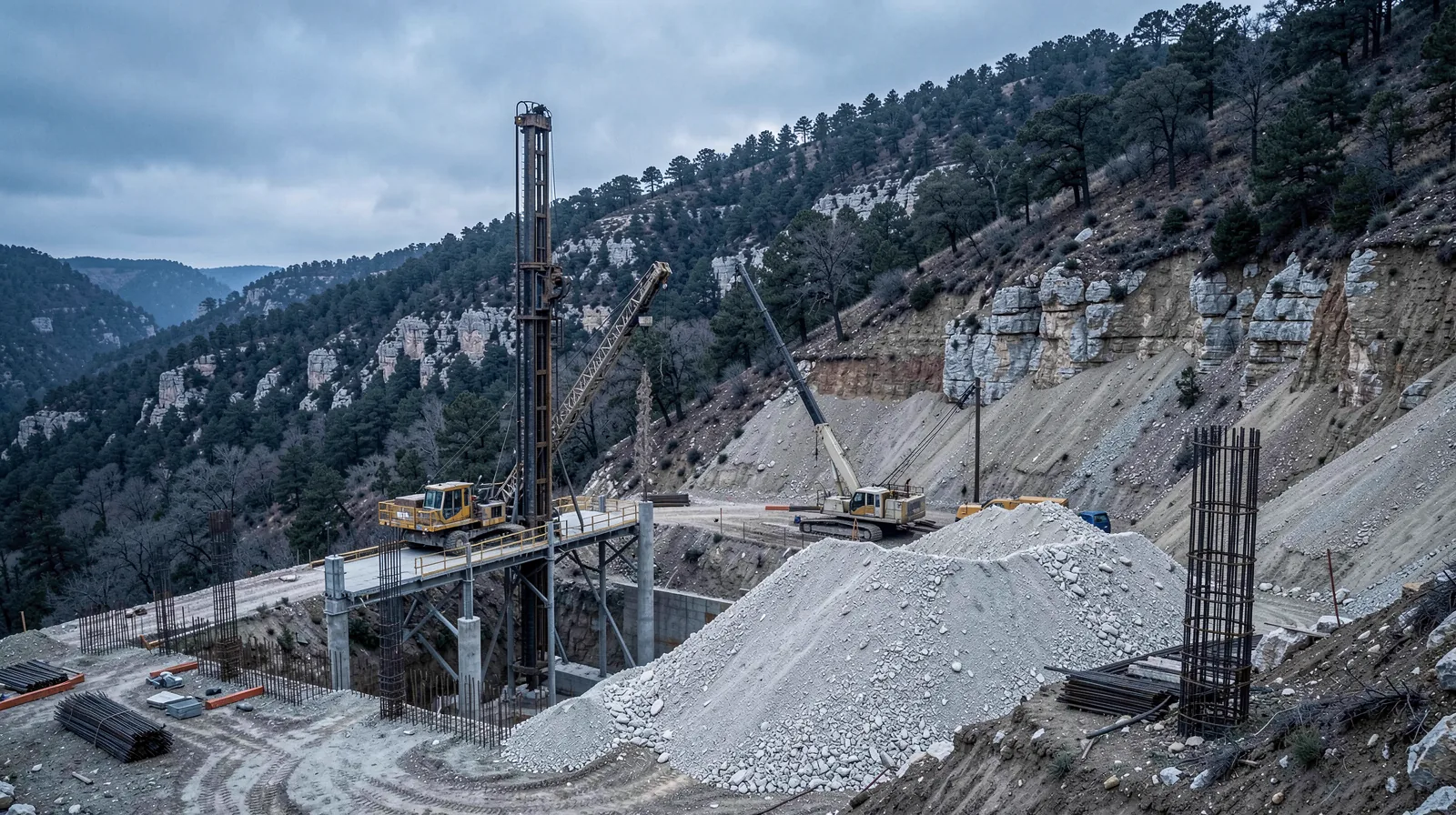
On Balcones-transition sites, cuttings brought up by the auger are compared against the boring log in real time — the fastest way to catch a bearing-elevation surprise before it becomes a schedule problem.
Urban infill meets a geologic fault line.
Balcones fault displacement reaches an estimated 1,200–1,600 feet between Austin and San Antonio, per published Central Texas geologic surveys — Austin is the one metro market where that fault transition runs directly through the buildable area — meaning a single project can span two different bearing conditions across its own footprint. Downtown and central Austin sites add urban infill constraints: existing substructures, tight lay-down space, and utility conflicts that change how a rig accesses each pier location.
- Balcones fault transition can put clay and rock-influenced conditions on the same parcel
- Downtown high-rise sites often require mat or shaft coordination with adjacent structures
- Urban infill lots frequently have restricted crane and rig staging
- Older core-area sites may carry unmapped utility or substructure conflicts
Austin’s expansive clay is not uniform across the metro.
Soil behavior shifts between the eastern flatland areas and the limestone-influenced terrain closer to the Balcones Escarpment on the west side. A pier schedule that works for one Austin site can be wrong for another a few miles away. We size pier depth and diameter against the specific boring logs for your parcel, not a citywide default.
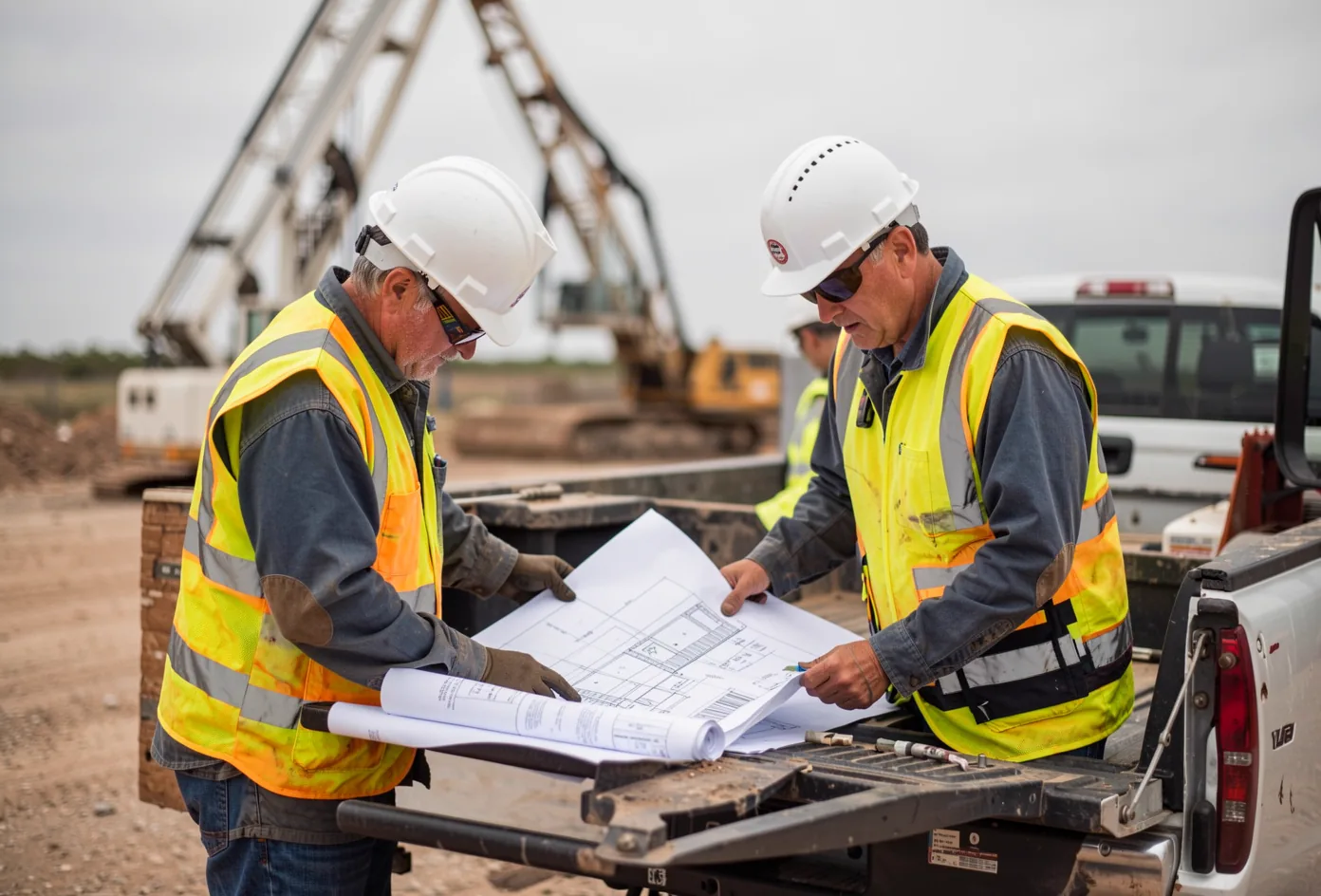
We support early subcontractor involvement during design development for Austin commercial projects, review geotech reports before pricing, and hold bid due dates on every invitation. Field execution — pumping, placement, finishing — runs in coordination with Ram Concrete.
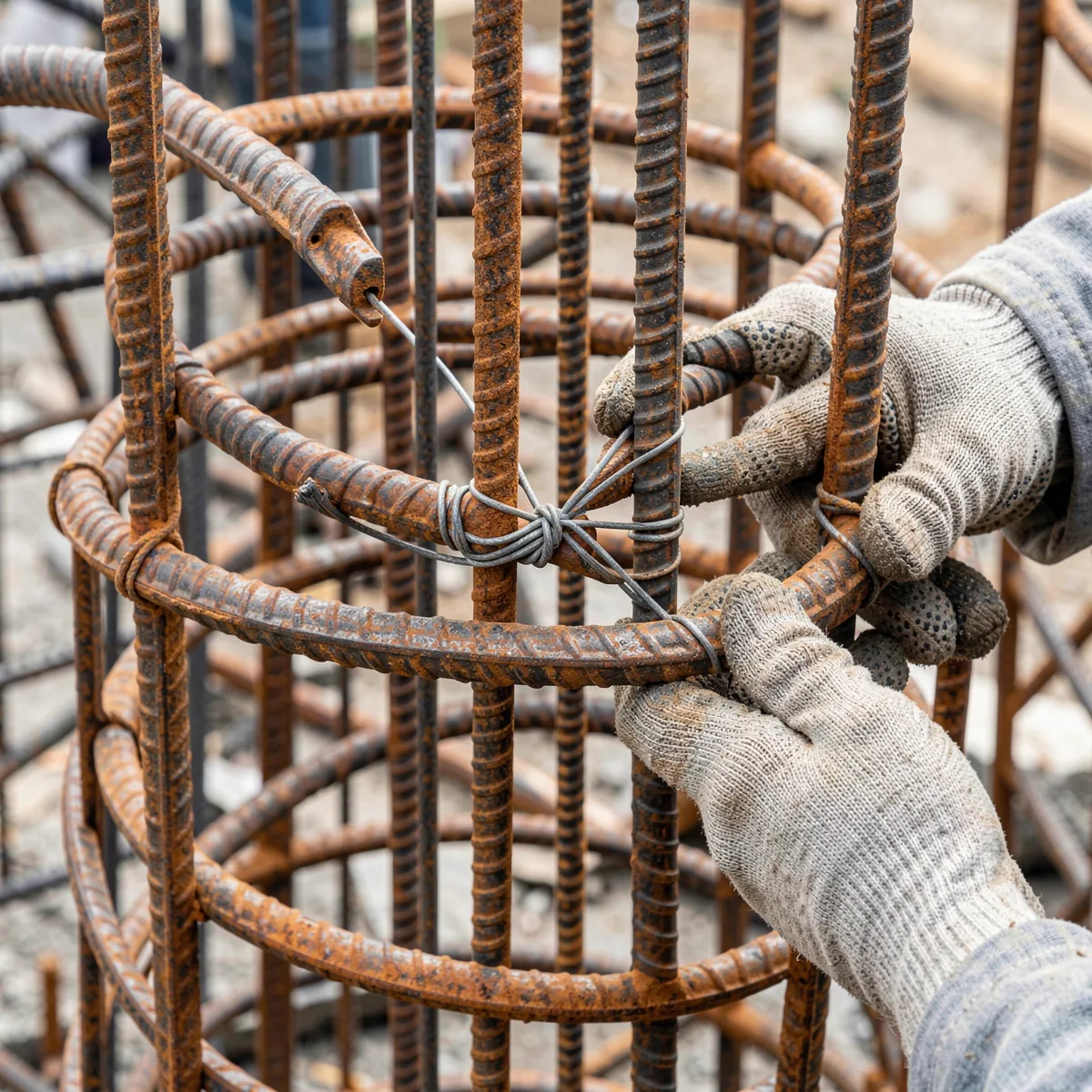
Austin foundation questions, answered directly.
Does downtown Austin construction need special foundation planning?
How deep are drilled piers in Austin, TX?
Is Austin’s ground condition the same across the whole city?
What should I send for an Austin drilled pier bid?
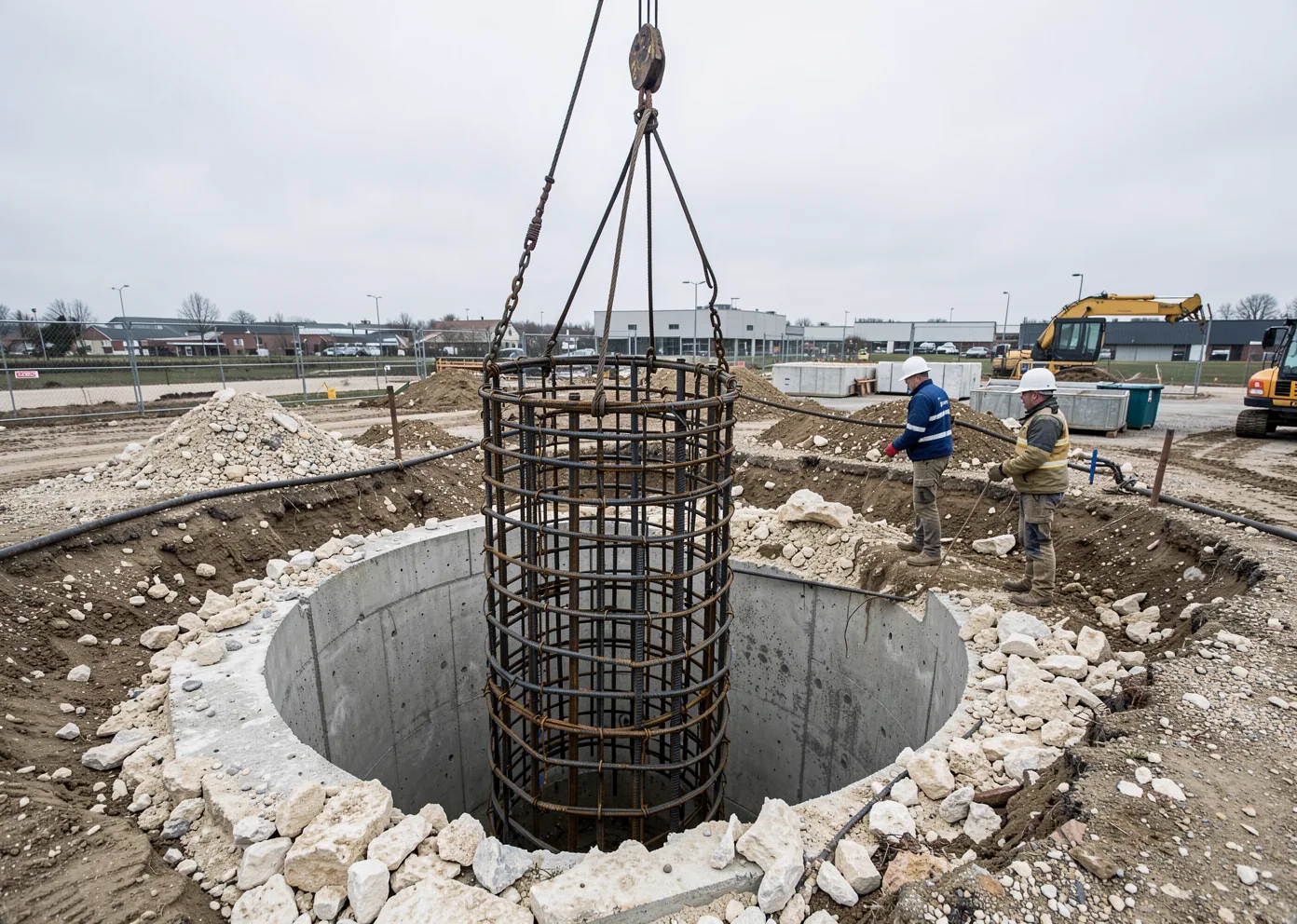
Have an Austin project going out for bid?
Send your geotech report and structural drawings — we’ll tell you what a pier schedule for your specific site actually looks like.