
What actually makes a bid invitation get priced accurately?
An invitation to bid (ITB) gets priced accurately when it removes the guesswork a subcontractor would otherwise have to price around — and in Central Texas deep foundation and structural concrete work, that means five specific things: current plans and structural drawings, the geotechnical report (or an explicit statement that none exists yet), site access and staging conditions, phasing and schedule constraints, and a firm bid due date. Every one of those items that’s missing gets replaced by an assumption, and assumptions get priced conservatively — which means a thinner package doesn’t just risk an inaccurate bid, it usually means a higher one, because the contractor is pricing the risk of the unknown, not just the work.
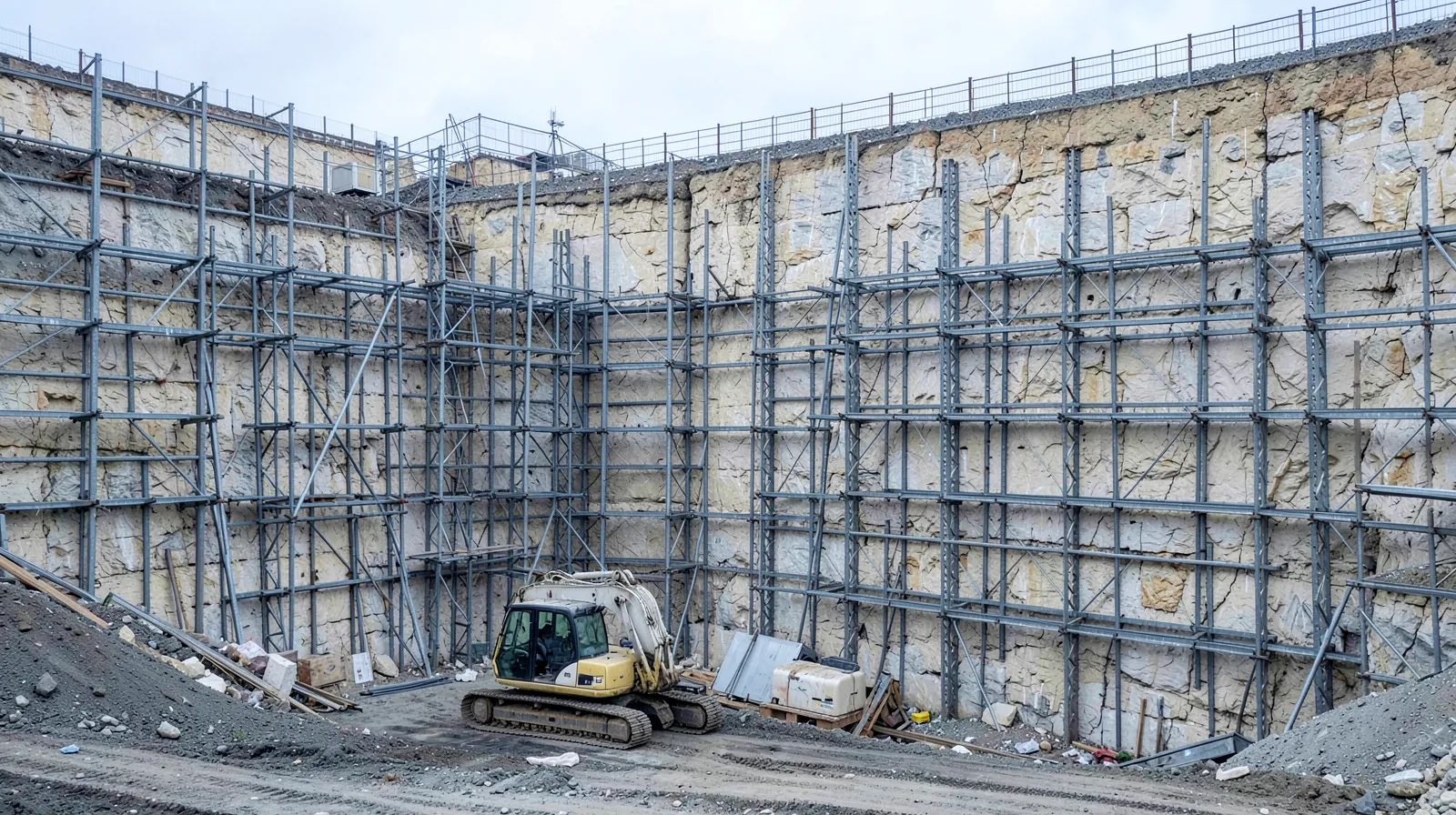
What five items should every ITB include?
These are the items that most directly change a foundation and structural concrete price, in roughly the order they get reviewed:
- Current plans and structural drawings — even at 90% or schematic design, with completion status noted
- Geotechnical report — or an explicit statement that one doesn’t exist yet and how that gap should be priced
- Site access and staging conditions — rig/crane access, adjacent structures, known utility conflicts
- Phasing and schedule constraints — mobilization windows, sequencing with other trades, any known site logistics limits
- A firm bid due date — stated once and held, not repeatedly slipped
What happens if there’s no geotechnical report yet?
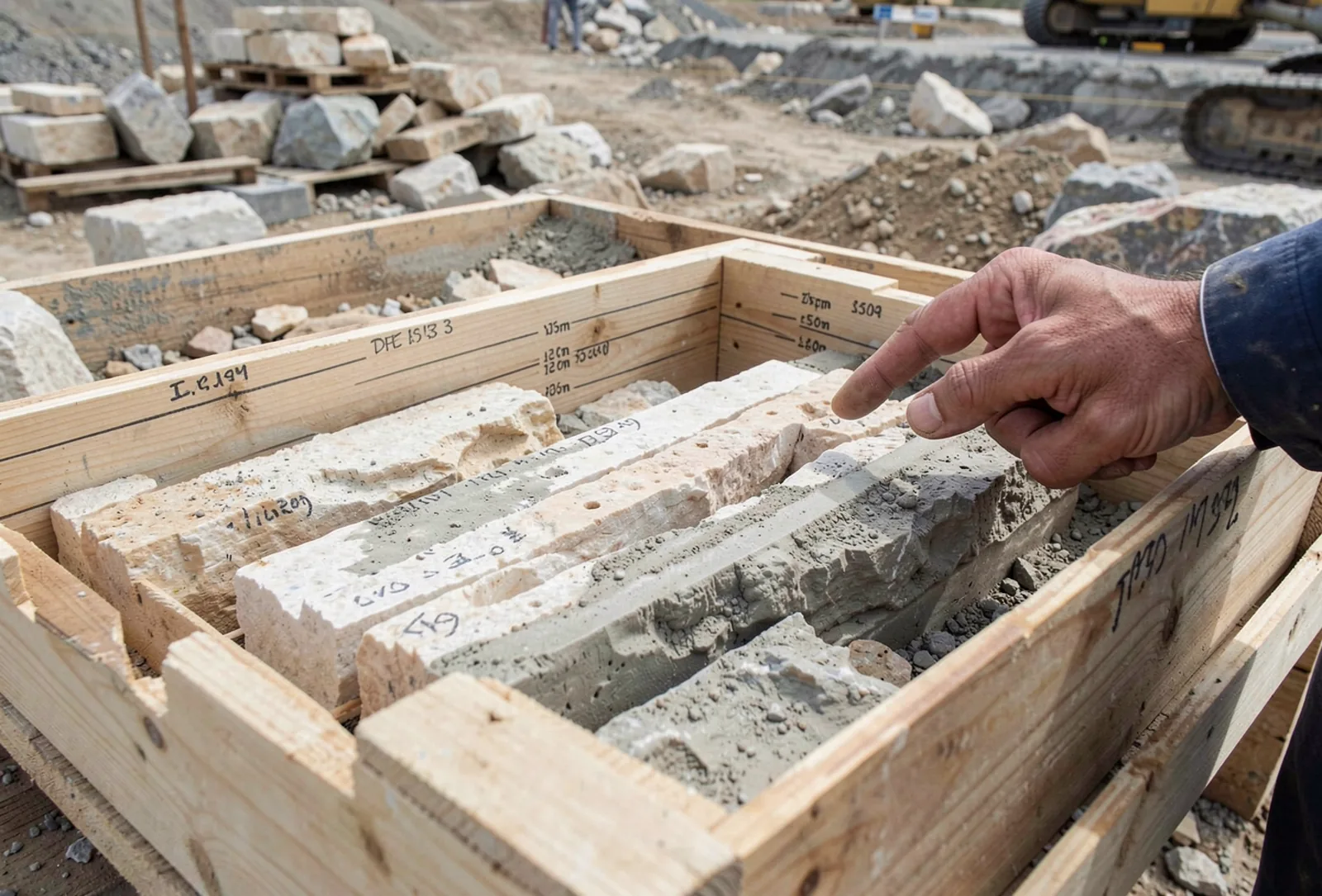
Tell the bidder directly rather than letting it surface mid-review. Without a geotech report, pier depth, diameter, and system selection can’t be engineered — they can only be estimated against regional assumptions, and Central Texas ground varies too much across a single metro for that to be reliable. A GC that flags the missing report up front gets one of two useful responses: a range priced against stated assumptions with the geotech report explicitly named as the item that firms up the number, or a recommendation to commission the report before final pricing. Either is better than a bidder silently guessing and the number changing after award.
Why does access information change a foundation price?
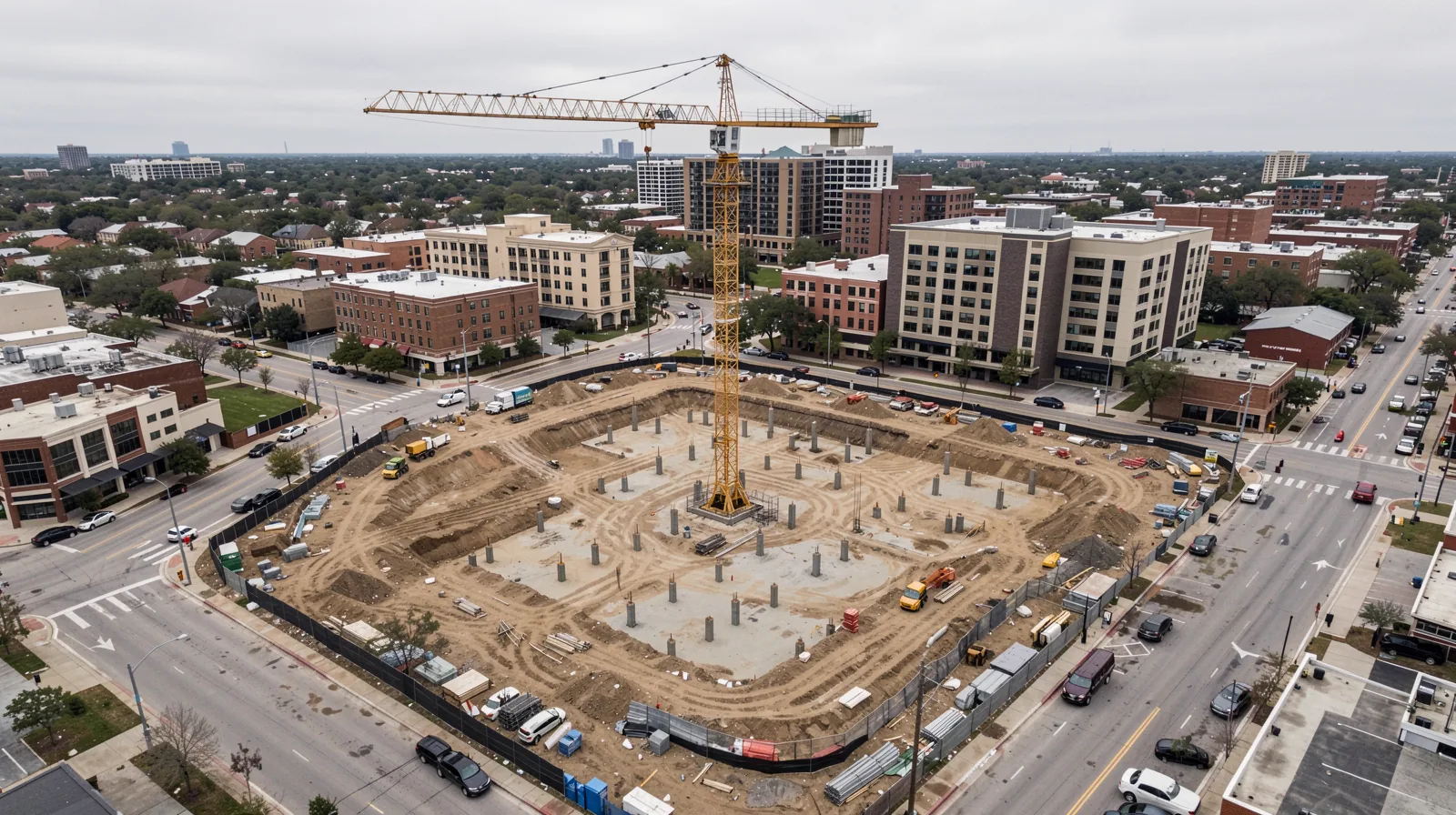
Rig size, crane access, staging area, and adjacent structures or utilities all drive means and methods, and means and methods drive price. Urban infill and downtown sites — common across central Austin — often carry restricted rig access, tight lay-down space, and existing substructure or utility conflicts that a suburban greenfield site simply doesn’t have. A site plan or survey that shows lot lines, adjacent structures, and known utility locations lets a bidder scope means and methods correctly the first time, instead of pricing a worst-case access assumption into the number.
Does the permitting timeline affect how a bid should be scheduled?
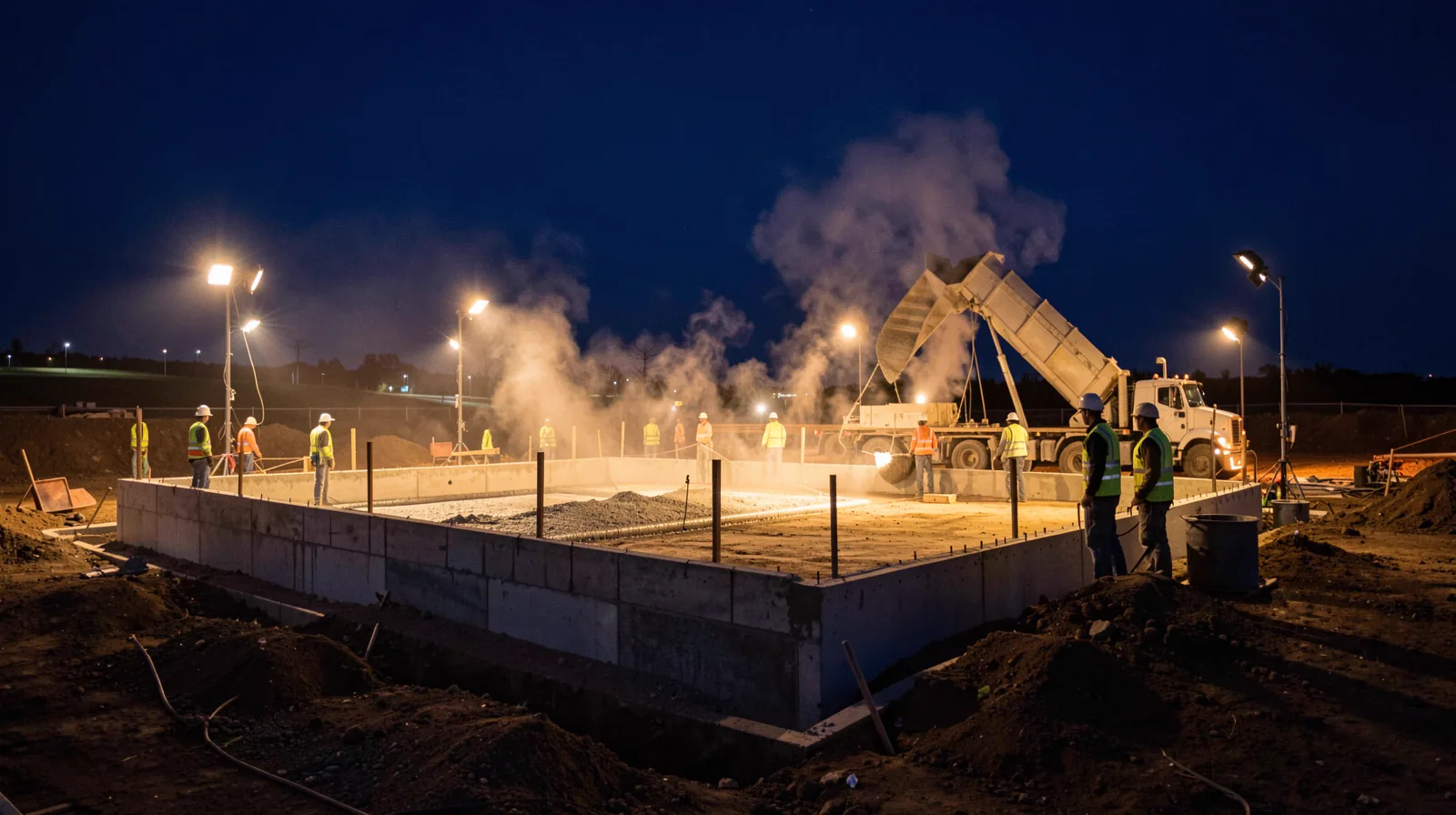
On City of Austin projects specifically, Site Plan approval is a hard prerequisite to a Building Permit — the building official may not issue a building permit until the Site Plan is released. That sequencing means environmental, tree-ordinance, or Edwards Aquifer geologic-assessment review delays on the site-plan side push the building-permit start date back on a roughly one-to-one basis. A bid invitation that names which phase the project is in — pre-Site Plan, Site Plan in review, or Site Plan released — helps a foundation contractor understand not just what to price, but when mobilization is realistically possible, which matters for holding crew and equipment availability against the eventual notice to proceed.
We review the geotech report and structural drawings before pricing, hold the stated bid due date, and flag any assumptions we’re pricing around explicitly — so the number in the bid is the number that survives contract award, not one that quietly moves once field conditions get confirmed.
Bid package questions, answered directly.
What if I don’t have a geotechnical report yet?
Does site access information actually change the price?
Why does the bid due date matter for accuracy, not just timing?
Should structural drawings be sent even if they’re not 100% complete?
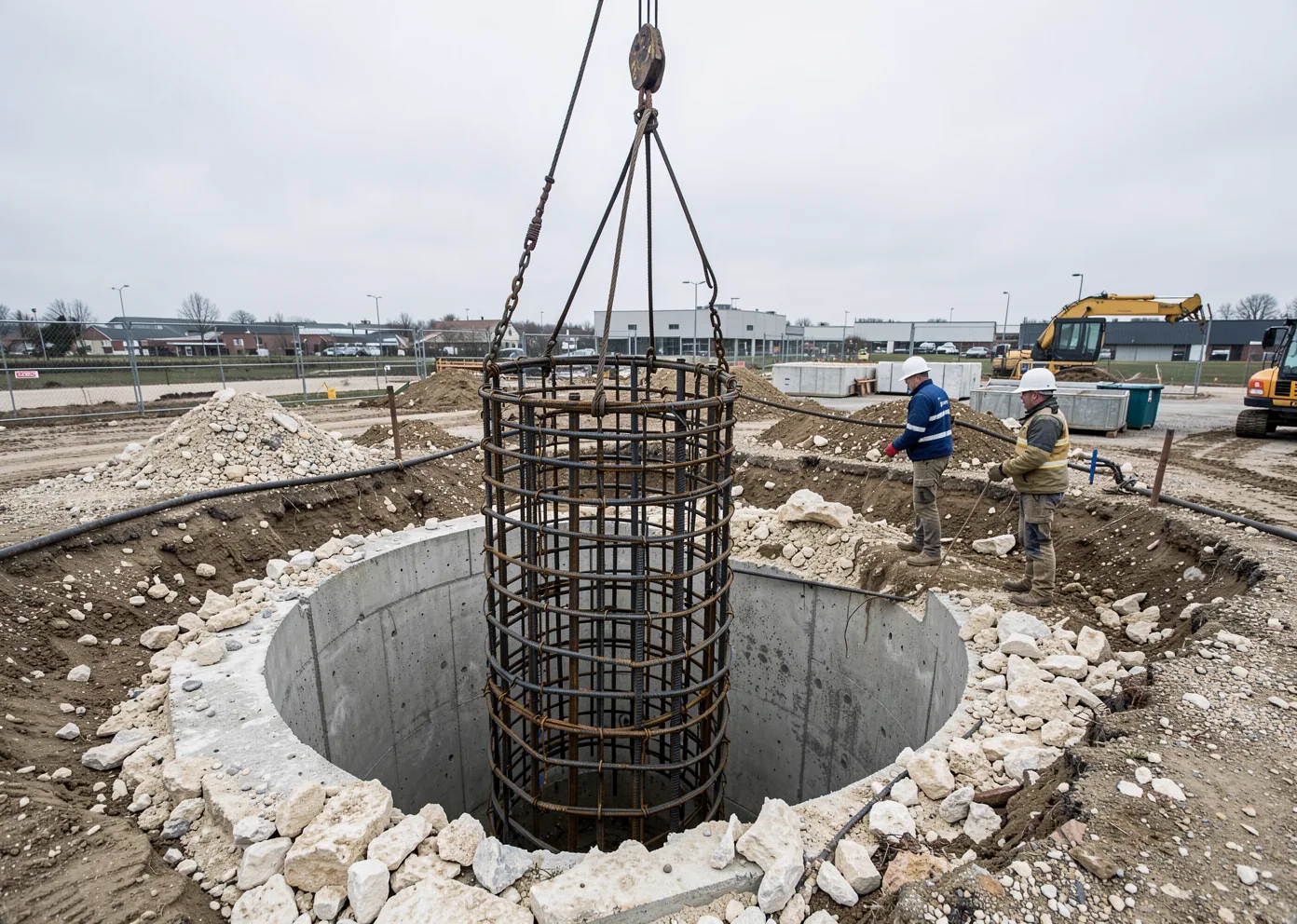
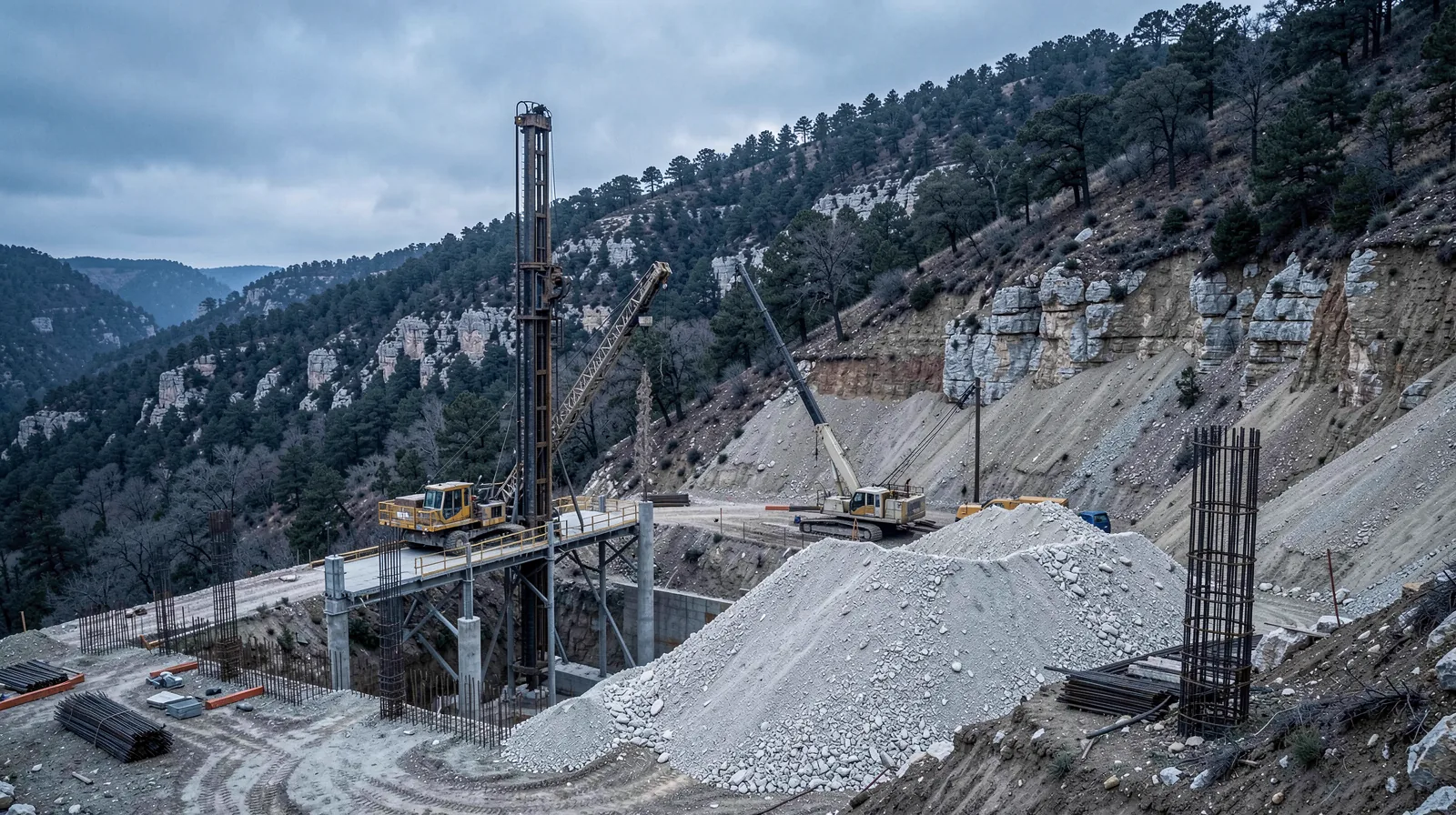
Send your geotech report and plans.
We size every pier schedule to the site’s actual boring data, not a regional assumption.